Roommate Decor Ideas: How to Decorate a Shared Home Without Stress

Roommate Decor Ideas: How to Decorate a Shared Home Without Stress

Introduction

The best roommate home decor ideas make the home look good and reduce arguments. The secret is simple: agree on one basic style, keep shared spaces tidy, use easy storage, and decorate in a way that still allows each person to feel at home. This guide shows how to decorate with roommates without fighting.

1

Start With One Shared Style (So the Home Looks Good and Nobody Feels Disrespected)

Start With One Shared Style (So the Home Looks Good and Nobody Feels Disrespected)

A shared home becomes stressful when the decor feels like a fight. One person wants bright colors. Another wants dark colors. One person wants lots of decor. Another wants empty space. If you decorate without a plan, the home starts looking random and everyone gets annoyed. That is why the first step in roommate home decor is choosing one shared base style. A base style is the simple look you all agree on. It does not mean you all have the same taste. It means you agree on the main colors and the overall feeling of the shared spaces. When the base style is clear, every item you add will fit better and the home will look cleaner automatically.

The easiest shared style is neutral and simple. Neutrals are colors like white, cream, beige, gray, and black. You do not need to paint walls to use neutrals. You can use neutrals in rugs, curtains, couch covers, throw blankets, and small decor items. Neutral decor is roommate-friendly because it is hard to hate. It also allows each roommate to add small personal items without breaking the look. If you want one accent color, choose one that feels calm and works in many homes, like navy, olive green, terracotta, or soft brown. Then keep that accent color small, like pillows, a vase, or one wall print.

A shared style also needs a shared rule about clutter. Clutter is the biggest reason roommates fight. One person sees “my things.” Another person sees “mess.” So make a simple rule: shared surfaces stay mostly clear. Shared surfaces are the coffee table, kitchen counters, and bathroom sink. If you want the space to look clean, these areas cannot become storage areas. This is not a strict rule. It is a peace rule. When surfaces are clean, the home feels calm. When surfaces are full, the home feels stressful.

Also agree on the “no drama items.” These are items that cause disagreement quickly, like loud wall art, too many posters, strong perfumes, or too many decorative pieces. In a shared home, it is better to keep shared decor simple and allow personal style inside bedrooms. That way nobody feels forced to live inside another person’s taste. This is the most mature way to decorate with roommates: shared spaces stay simple and clean, private spaces can be personal and expressive.

A shared home also looks better when items match in a basic way. You do not need to buy expensive sets. You just need consistency. For example, choose one metal color for shared areas. Maybe black, gold, or silver. Then choose one wood tone if you can. Light wood or dark wood. When your metals and woods match, the home looks planned. When they clash everywhere, the home looks chaotic.

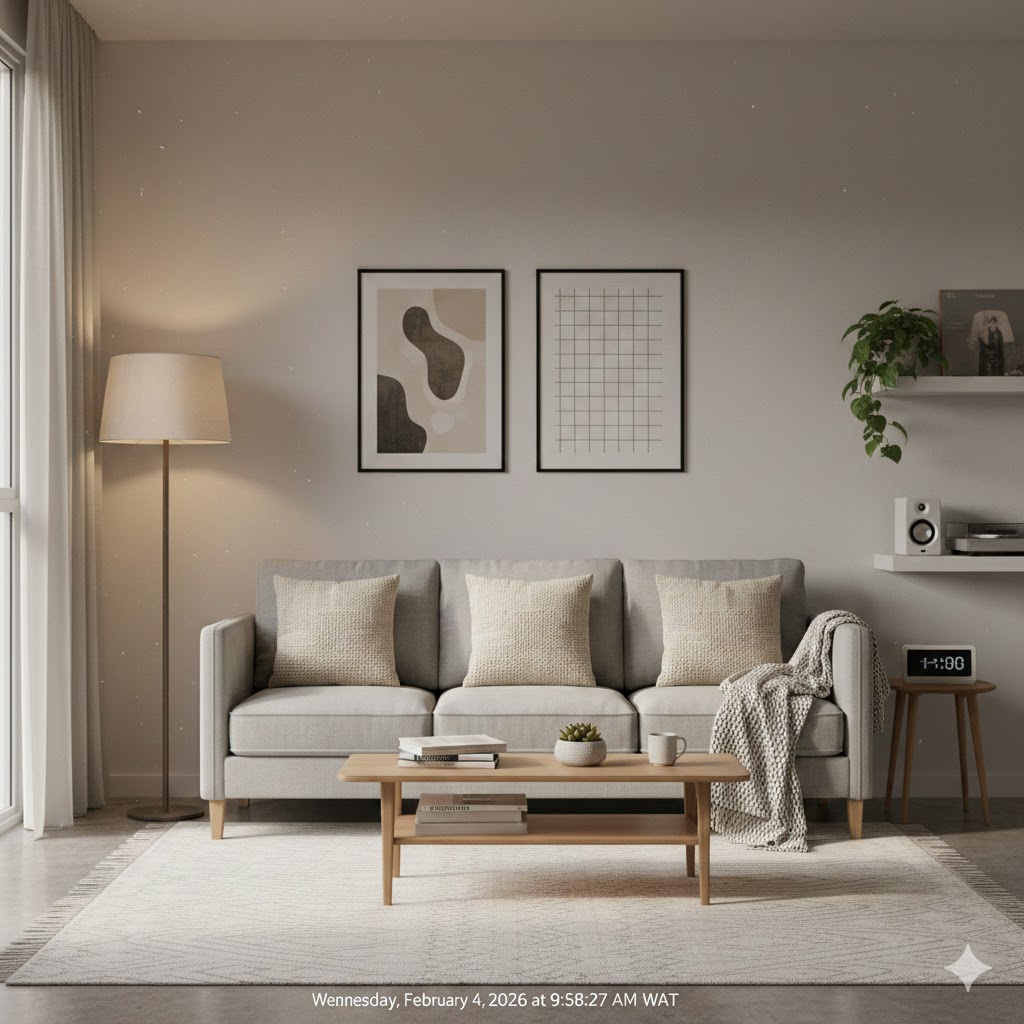
Simple example: Everyone agrees on neutral decor in the living room. The rug is beige. The pillows are gray and one is navy. Wall art is simple. Then each roommate decorates their own bedroom however they want.
2

Shared Living Room Decor That Looks Clean (Even When People Actually Live There)

Shared Living Room Decor That Looks Clean (Even When People Actually Live There)

The living room is the main shared space, so it is where decor matters most. It is also where mess shows up fastest. A good roommate living room setup needs two things: easy comfort and easy cleaning. If the space is hard to maintain, it will always look messy. That is why your living room decor should be based on simple “anchor” items that create a finished look without needing constant work.

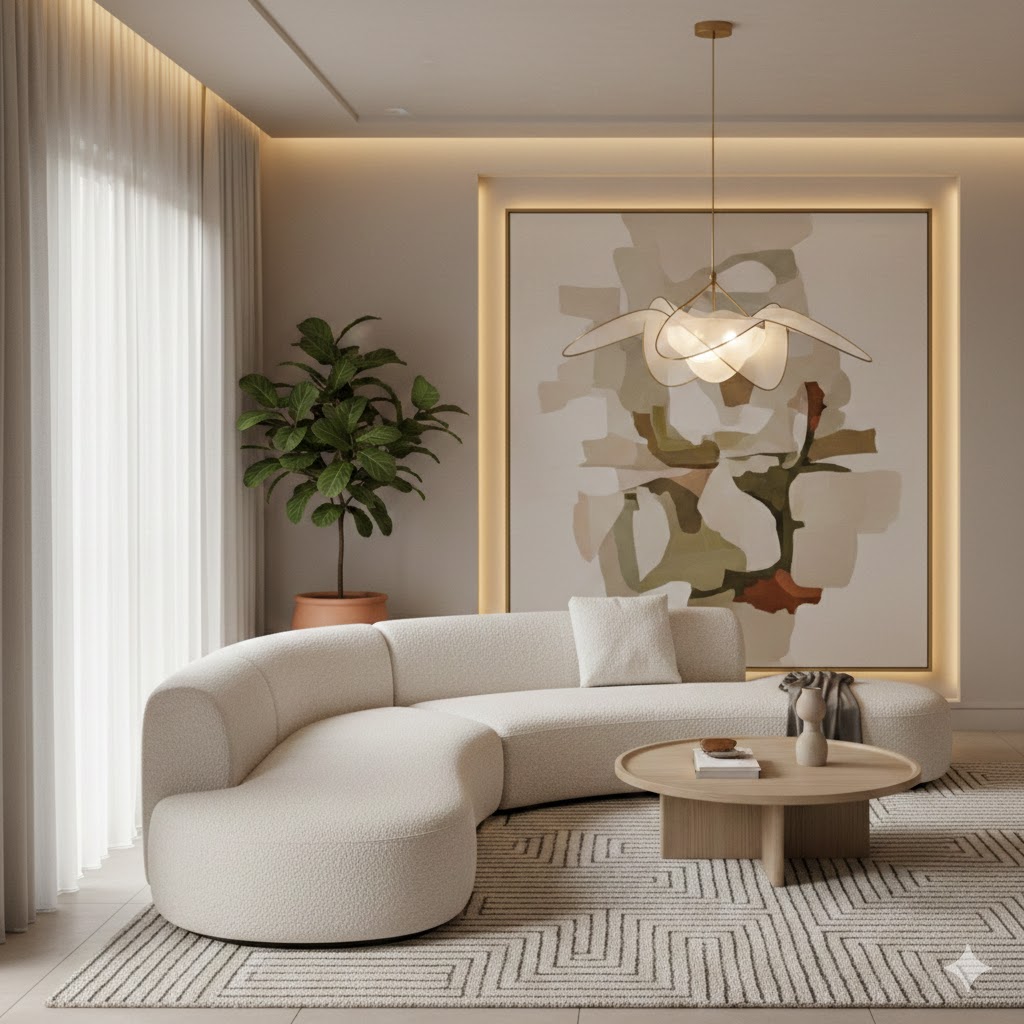
Start with the couch area. The couch is usually the biggest item, so make it the center of the setup. If the couch is old or mismatched, you can still make it look better by using a couch cover in a neutral color. Then add a rug that is big enough. A rug makes the living room look “real.” Without a rug, the room often looks empty and unfinished. The rug should be large enough to sit under the front legs of the couch, not a tiny rug floating in the middle. This one rug choice can change the entire room.

Then add a coffee table or a simple center table. If you do not have one, even a small table can work, but it should match the scale of the couch. Now the most important roommate rule: the coffee table should not be storage. It should be styled and mostly clear. If you need storage, add a basket under the table or beside the couch. This basket is where remotes, chargers, and small items can go. If you do not give small items a home, they spread everywhere and the room looks messy. A basket is a simple peace solution because it hides clutter fast.

Now add lighting. Many shared living rooms look dull because they use only ceiling light. Add one floor lamp or one table lamp with warm light. Warm light makes the room feel cozy and welcoming. It also makes the decor look more expensive. You do not need fancy lamps. You need one warm light source that makes the room feel soft at night.

Wall decor should stay simple. Roommates rarely agree on loud art. The safest option is one large print, two matching frames, or a simple mirror. A mirror is great because it makes the room look bigger and reflects light. If the roommates want to add personal touches, do it in a controlled way. For example, allow one shelf where each roommate can place one small item. Only one item each. This gives everyone representation without making the room crowded.

Now talk about seating. If you have extra chairs, keep them minimal. Too many chairs makes a small shared living room feel tight. If you need extra seating for guests, consider stackable chairs or stools that can be stored away. Shared homes work best when spaces can change. A living room that can become open space when needed feels more modern and easier to live in.

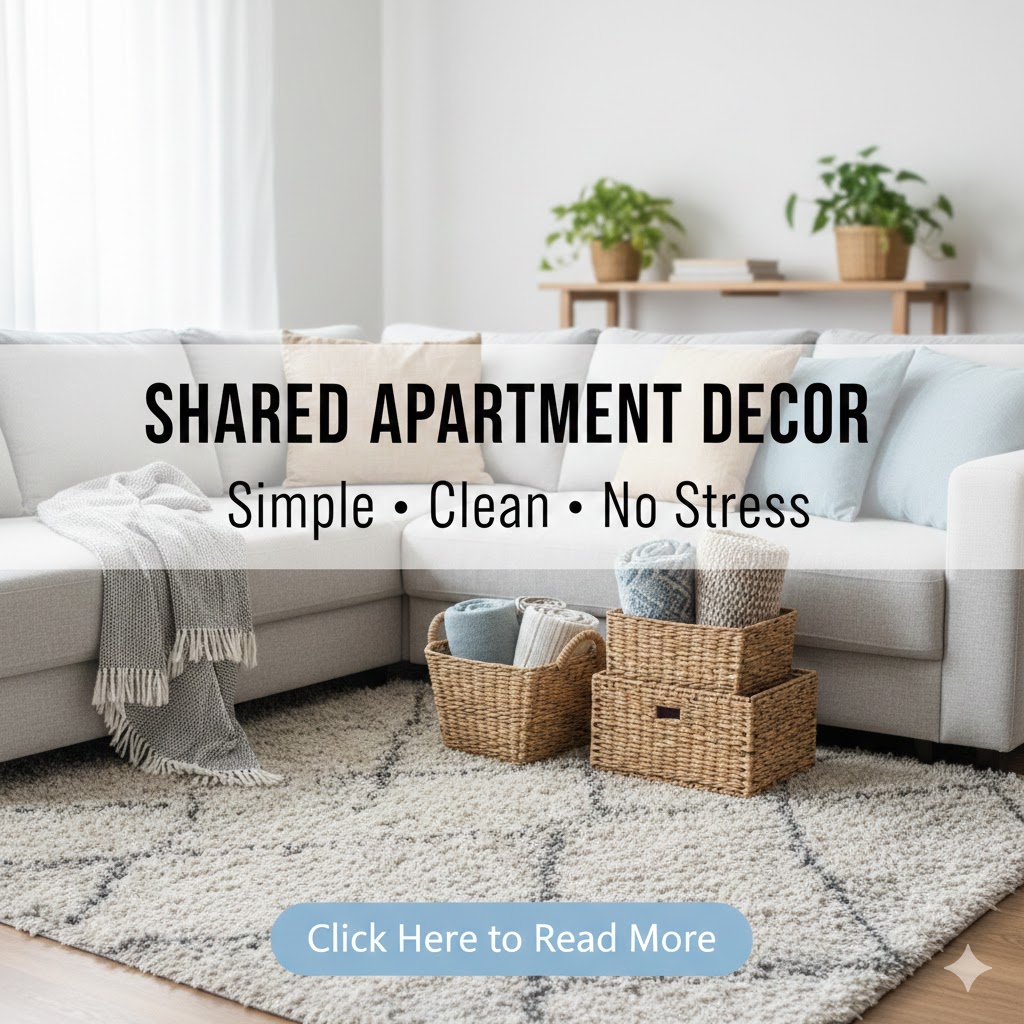
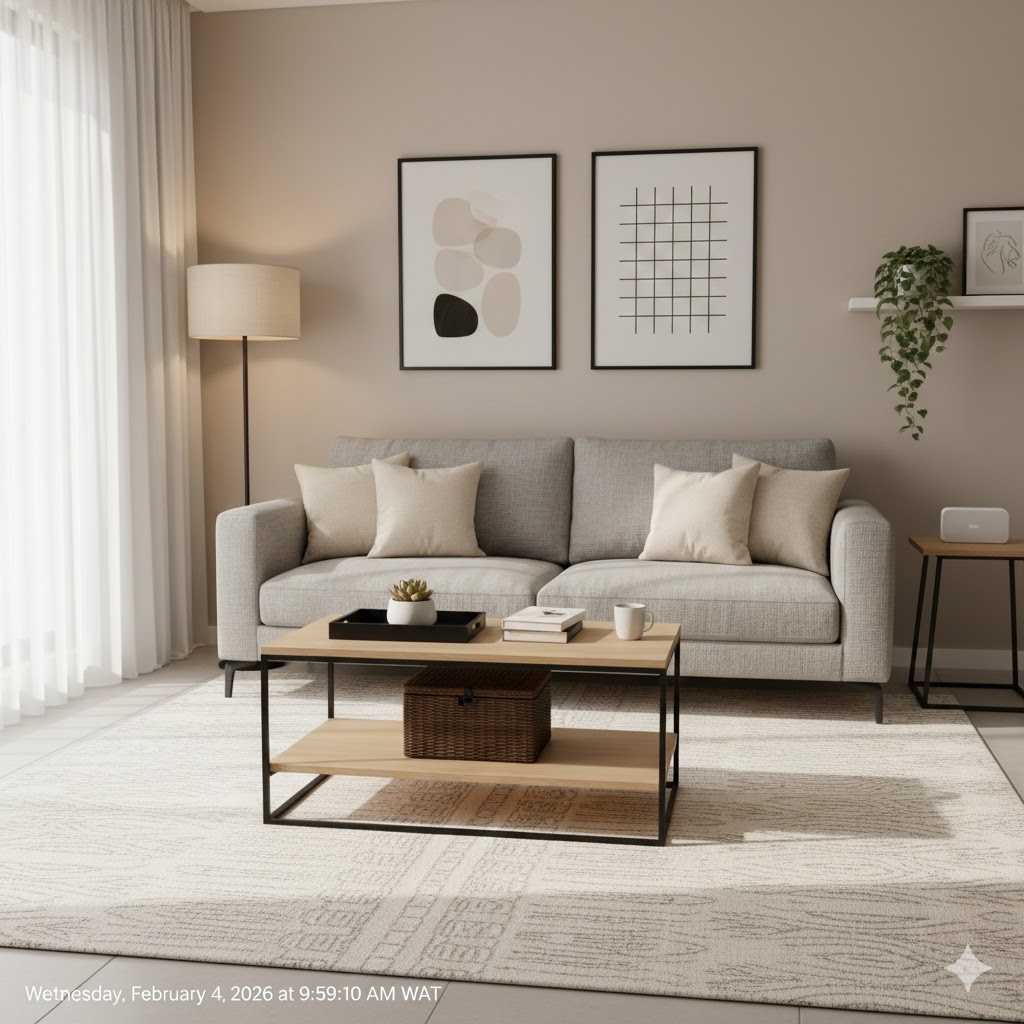
Simple example: Neutral rug, couch with matching pillows, one warm lamp, coffee table with one tray, and one basket for remotes. This makes the living room look clean even when roommates are living normal life.

3

Kitchen and Bathroom Decor With Roommates (Clean Look Without Constant Arguments)

Kitchen and Bathroom Decor With Roommates (Clean Look Without Constant Arguments)

Kitchens and bathrooms are the most sensitive rooms in a shared home because they involve hygiene. If these spaces look messy, people get angry quickly. That is why roommate decor in the kitchen and bathroom is less about beauty and more about simple organization that looks clean. The good news is that small changes here make a huge difference.

Start with the kitchen. The fastest way to make a shared kitchen look better is to clear the counter. A crowded counter looks dirty even when it is not. So keep only the daily-use items on the counter. Items like the kettle, toaster, or one coffee station can stay, but everything else should go into cabinets or baskets. If the kitchen has no storage, add a small shelf or a rolling cart, but keep it neat. A shared kitchen also needs matching storage items. When everyone buys random containers, the kitchen looks chaotic. So agree on simple matching containers for sugar, tea, coffee, and common items. Matching containers make the space look planned and reduce visual stress.

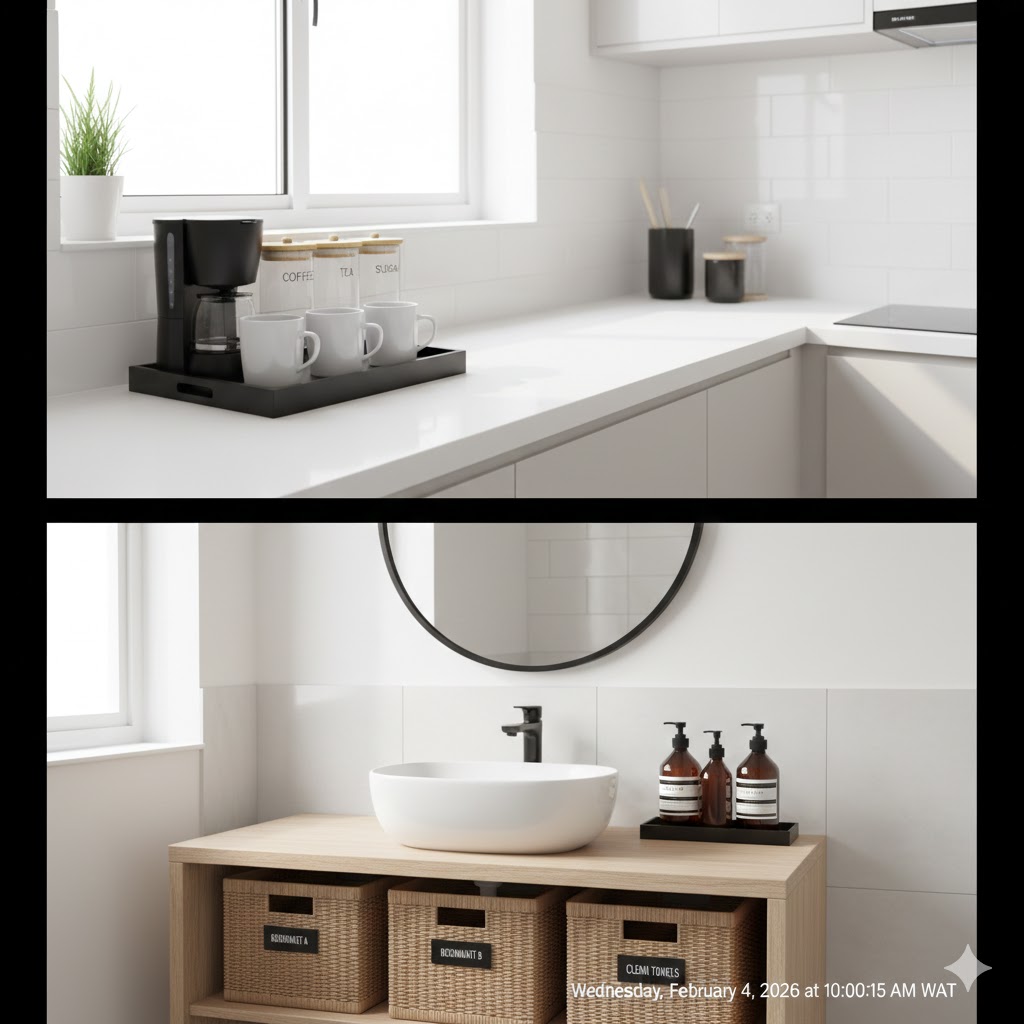
Now create a “shared station.” This can be a coffee or tea corner. A small tray with mugs and a jar set looks nice and also reduces mess because everyone knows where those items go. Shared stations are great because they make the kitchen feel designed, and they reduce random item placement.

Next is the bathroom. The bathroom looks clean when the sink area looks clean. The sink area should have a matching soap set and a tray. Then the shared rule is: personal items do not stay on the counter. Toothpaste, brushes, skincare, and personal products should go into a basket or a drawer. If the bathroom is small, each roommate can have their own small basket labeled with their name. This is simple and prevents fights because nobody touches another person’s items.

Towels also matter. A shared bathroom looks messy when towels are random colors and always wet. So keep a simple towel rule: each roommate has their own towel and it has a clear place. Use hooks or a towel rack. If possible, keep towel colors in the same style family so the bathroom looks calmer.

A big decor trick for shared bathrooms is adding one closed storage item. This can be a small cabinet, a shelf with baskets, or even a simple storage unit. When you can hide extra toilet paper and cleaning items, the bathroom looks cleaner. Also, add one small item like a plant or a simple wall print, but keep it moisture-friendly and minimal. Too much decor in a bathroom becomes clutter and dust.

The point of kitchen and bathroom decor is not “pretty.” The point is “clean and easy.” In a roommate home, the best decor is what reduces daily stress. When counters are clear and items have a home, everyone feels calmer and the home feels better.

Simple example: Kitchen counter with only a tray station and the kettle. Bathroom sink with soap set on a tray and each roommate has a basket for personal items.

4

Personal Space Rules (How Roommates Can Decorate Without Feeling Controlled)

Roommate decor works best when shared spaces feel neutral and private spaces feel personal. This is the easiest way to avoid tension. Many roommates fight because one person wants to decorate everything, and the other person feels like they have no space. The solution is not to stop decorating. The solution is to split decor power fairly. That means shared rooms use shared rules, and bedrooms use personal rules.

First, decide what counts as shared. Usually the living room, kitchen, dining area, bathroom, and hallway are shared. These spaces should follow the shared base style you agreed on. Keep them simple, clean, and not too personal. Avoid private photos all over shared areas unless everyone agrees. If someone wants a photo wall, it can be a small area where everyone can add a photo, not one person’s full story. This helps everyone feel respected.

Now private spaces. Bedrooms are where each roommate can express their style. One roommate can go minimal. Another can go colorful. That is fine. The shared home does not need to match every bedroom. This is how shared homes stay peaceful. But even in private rooms, there is one important rule: your private mess should not spill into shared areas. This means shoes, laundry, and bags should not live in the hallway or living room unless the home has agreed storage for them.

A smart shared home has one “landing zone” near the entrance. A landing zone is a small area for keys, shoes, and bags. It can be a small shoe rack and a hook board. This reduces chaos and makes the home feel organized. It also reduces fights because nobody’s stuff is randomly blocking the door.

Also, keep shared purchases fair. If you buy decor for shared spaces, decide how you will handle it. Some roommates split the cost. Others say the person who buys it owns it. Either is fine, but it should be clear. Clear rules reduce future arguments.

Now talk about cleaning and decor together. Decor is not only pillows and frames. Decor includes how clean the room looks. So set tiny daily habits that keep the home nice. The simplest is “reset the room” at night. It means you return cups to the kitchen, fold blankets, and clear the coffee table in 2 minutes. When roommates do a small reset, the home stays beautiful without big cleaning days. This creates peace because nobody feels like the only cleaner.

Simple example: Shared living room stays neutral and clean. Each roommate decorates their bedroom personally. The entrance has a shoe rack and hooks so items do not spread.

5

FAQs (Short Answers)

FAQ 1: How do roommates decorate without fighting?
Agree on a simple base style and keep shared areas neutral.

FAQ 2: What is the best decor style for shared apartments?
Neutral colors, minimal clutter, and easy storage.

FAQ 3: How do we decorate a living room with different tastes?
Choose neutral furniture and let personal style show in small accents only.

FAQ 4: What is the easiest shared decor upgrade?
A large rug, one warm lamp, and a basket for small items.

FAQ 5: How do we keep the kitchen looking nice?
Clear counters and use matching containers or a tray station.

FAQ 6: How do we stop bathroom clutter?
Give each roommate a basket for personal items and keep the sink clear.

FAQ 7: Should roommates split decor costs?
Either split costs or agree that the buyer owns the items. Just be clear.

FAQ 8: What is a landing zone and why does it help?
It is a spot near the door for shoes and keys. It stops mess from spreading.

6

Final Summary Paragraph

The best roommate home decor ideas are simple and peaceful: use one shared style, keep the living room clean with a rug and warm lighting, organize kitchen and bathroom surfaces, and let bedrooms be personal spaces. When decor reduces clutter and respects everyone’s taste, the home feels calm and looks good every day