Mint Green Home Decor: How to Use This Color So Your Home Looks Fresh, Clean, and Expensive

Mint Green Home Decor: How to Use This Color So Your Home Looks Fresh, Clean, and Expensive

Introduction

Mint green home decor is a soft, fresh green that makes a home feel brighter and calmer. The secret is using mint as a “support color,” not the main color everywhere. When mint is balanced with warm neutrals, wood, and soft lighting, the room looks clean, modern, and premium.

1

What Mint Green Really Looks Like in Home Decor (So You Don’t Pick the Wrong Shade)

What Mint Green Really Looks Like in Home Decor (So You Don’t Pick the Wrong Shade)

Mint green sounds simple, but many people pick the wrong shade and end up with a room that feels childish, icy, or hospital-like. Mint green in decor should feel soft and calm, not loud and bright. The best mint green is usually a muted mint. Muted means it looks slightly “dusty” or “soft,” not neon. When mint is too bright, it becomes the main attention and it can fight your furniture. When mint is too cold, it can make the room feel unfriendly. The goal is mint that feels like fresh air, not like paint that screams.

Think of mint green as “green mixed with light gray or cream.” That is the safest version for homes. It works well because it blends with most neutral decor and it still feels modern. If you want a mint that feels warmer, pick a mint with a tiny hint of yellow inside. That type of mint pairs well with beige, warm wood, and gold accents. If you want a mint that feels cooler and sharp, pick a mint with a hint of blue inside, but then you must balance it with warm items or the room can feel cold.

A big mistake is using mint on every big surface at once. For example, mint walls, mint curtains, mint bedding, mint rug, mint pillows. That becomes too much and the room loses style. Mint works best when it appears in two or three places only. This makes it look planned. Planned is what looks expensive. If mint shows up everywhere, it looks like you are obsessed with one color instead of designing a room.

Mint also needs the right “neighbors.” Neighbors are the colors and materials near it. If mint is next to bright white and shiny silver, it can feel cold and cheap. If mint is next to warm white, beige, and wood, it feels soft and premium. This is why mint is often used in clean modern interiors that still feel warm. The color itself is not enough. The styling around it is what makes it beautiful.

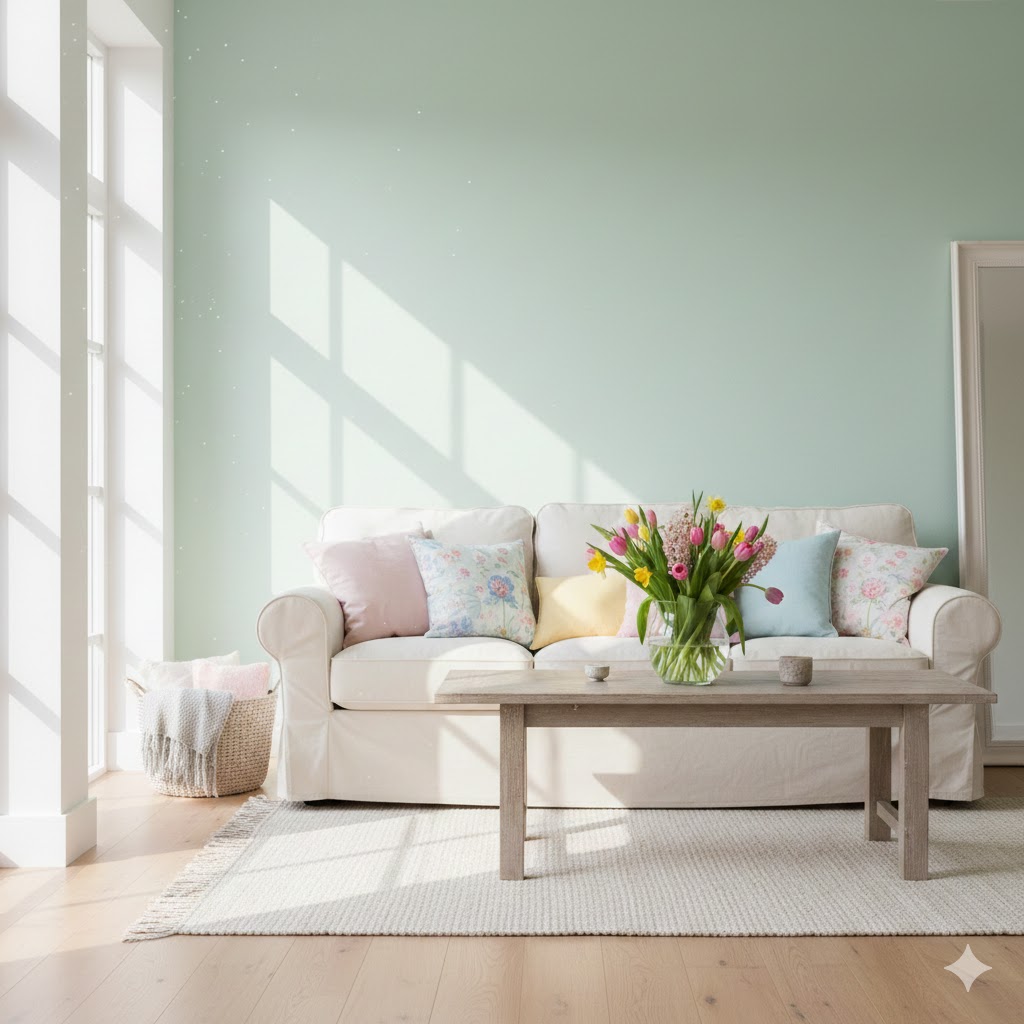
Mint is also very good at making a space feel fresh and clean. That is why it works in kitchens, bathrooms, entryways, and bedrooms. But each room needs a different mint approach. In a kitchen, mint can be a small accent like bar stools, a tea corner tray, or a backsplash vibe. In a bedroom, mint can be a bedding layer, a throw, or curtains. In a living room, mint usually works best in pillows, art, or one accent chair. If you paint a living room wall mint, keep the rest of the room calm and warm.

One more thing: mint looks better with texture. A flat mint paint can look basic. But mint in a textured fabric, like a cushion, a throw, or a soft rug detail, looks richer. Texture helps mint look grown and stylish. It also helps the color blend, so it does not look too “perfect” or plastic.

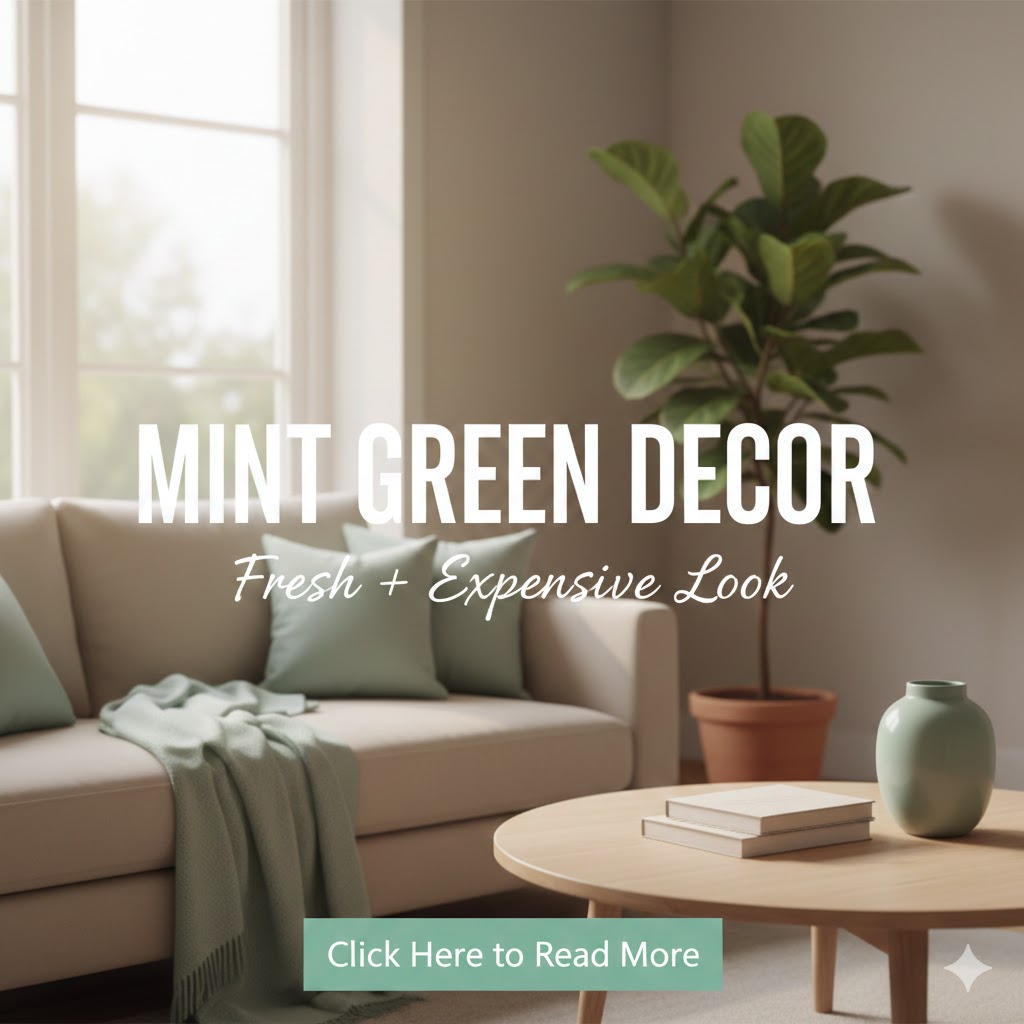
Simple example: Use mint on two pillows and one small vase, then keep the sofa beige and the table wood. The mint pops gently, and the room looks fresh, not loud

2

The Best Colors and Materials to Pair With Mint Green (So It Looks Expensive)

The Best Colors and Materials to Pair With Mint Green (So It Looks Expensive)

Mint green becomes powerful when you pair it with the right colors and materials. If you pair it wrong, it can look cheap fast. If you pair it right, it can look like a designer home. The easiest way to do this is to use mint as a highlight color and build the room with calm neutrals.

The best first pairing is warm white and cream. Warm white feels soft, not sharp. It makes mint look calmer and more natural. If you use bright white everywhere, mint can feel cold. Cream and warm white also make the room look expensive because they feel like natural light. These colors work especially well in bedrooms and living rooms where comfort matters.

The second pairing is beige, taupe, and sand colors. These are warm neutrals that give mint a cozy background. When mint sits on a warm neutral base, it looks “fresh but safe.” This is perfect for beginners because it is hard to mess up. Beige sofa, mint pillows. Taupe curtains, mint throw. Sand rug, mint wall art. These combinations look calm and modern.

The third pairing is warm wood. Wood is the easiest “luxury trick” in decor. Wood makes any color look richer. Mint with wood feels natural, like a spa or a calm hotel. Light oak wood gives a soft modern look. Medium walnut wood gives a richer, deeper look. Either can work. The key is to choose wood tones that feel consistent around the room. Consistency is what looks expensive.

The fourth pairing is soft black. Black adds structure. A little black makes mint look more modern. Black can show up in frames, lamp stands, side tables, or cabinet handles. But keep black small. Too much black can make the room heavy. Quiet black touches are enough to give mint a clean outline.

Now metals. Mint green looks best with brushed or soft metals, not overly shiny ones. Brushed gold can make mint feel warm and elegant. Matte black can make it feel modern and sharp. Soft silver can work, but if your room is already cool-toned, silver might make it too icy. For most homes, warm metals and matte finishes are safer.

Materials matter more than people think. Mint green looks premium when it appears in natural textures, like linen, cotton, wool-like fabric, ceramic, and glass. Mint green looks less premium when it appears in plastic-looking items or overly glossy paint with harsh lighting. If you want mint decor pieces, choose items that look soft and real. A mint ceramic vase looks richer than a mint plastic ornament. A mint linen cushion looks richer than a mint shiny satin pillow.

Another good pairing is soft natural green from plants. Mint is a “clean green,” and plants are a “real green.” When you mix mint accents with real plants, the room feels alive. This is an easy way to make mint look natural instead of artificial.

Finally, keep your color count low. Mint plus two neutrals plus one dark accent is enough. For example: cream + warm wood + mint + soft black. That is a clean and expensive formula.

Simple example: Cream walls + warm wood table + mint cushions + black frame art. This is mint green home decor that looks grown and premium.

3

Where to Use Mint Green in the Home (So It Feels Fresh, Not Overdone)

Where to Use Mint Green in the Home (So It Feels Fresh, Not Overdone)

The biggest question people have is simple: where exactly should mint green go? The answer is not “everywhere.” The answer is “use mint in places that give freshness, then stop.” Mint is best when it feels like a clean touch, not like a full paint bucket poured into the room.

In the living room, mint works best as accents. Accents are smaller items that add color without controlling the whole room. Mint accents can be pillows, a throw blanket, a small rug detail, wall art, a vase, or one accent chair. A mint chair can look amazing, but only if the rest of the room is calm. If you already have busy patterns, choose mint pillows instead of a big mint chair. If you want mint on the wall, do one wall only, and keep furniture neutral. Mint walls can look premium, but only when the room is not crowded and the lighting is soft.

In the bedroom, mint is very easy because bedrooms already work well with soft colors. Mint bedding layers can make a bedroom feel fresh. But keep the bedding simple. Use mint as one layer only, like a mint duvet cover with cream sheets, or cream duvet with mint throw. Mint curtains can also work if your walls are neutral. If you paint the wall mint, choose warm lighting and add wood tones so it feels cozy, not cold.

In the kitchen, mint is best used in controlled sections. A kitchen can look clean with mint bar stools, mint canisters, mint towels, or a small mint backsplash vibe. The key is to keep countertops clear. Mint decor looks best in kitchens that already look tidy. If your kitchen is cluttered, mint items will look like more clutter. So make the kitchen clean first, then add mint.

In the bathroom, mint is a natural fit because it feels fresh and hygienic. Mint towels, mint soap dispensers, mint bath mats, or mint wall art can make a bathroom feel like a spa. But again, keep it simple. Too many small mint items can make the bathroom feel childish. One or two mint touches are enough, then add white and wood to balance it.

In the entryway, mint can be used to make the home feel welcoming. A mint runner, a mint vase, or a mint artwork piece can brighten a small entrance. Entryways are often dark and plain. Mint can add a clean pop. But entryways also need organization. If shoes and bags are everywhere, the mint will not save it. Organization is still the base.

Now let’s talk about the “two-spot rule.” This is the easiest beginner rule. Choose two spots in a room where mint will appear, and maybe a third tiny spot if needed. For example, mint pillow + mint art. Or mint rug detail + mint vase. That is enough. The room will feel fresh and designed. If you add mint in eight places, the room becomes noisy.

Also, use mint with negative space. Negative space means empty space. Mint looks best when there is space around it. If mint is surrounded by too many items, it becomes hidden and useless. If mint has space, it becomes a clean highlight, which is the expensive look.

Simple example: Living room with beige sofa. Add two mint pillows and one mint vase on a tray. Stop there. Now the room looks fresh and modern.

4

Easy Mint Green Room Setups You Can Copy (No Confusion, Just Results)

If you want mint green home decor but you do not want to overthink it, you need ready setups you can copy. Warm minimal, quiet luxury, and modern cozy styles all work with mint, but the setup must be simple. A good setup is one that looks great even if you do not have expensive furniture. It should rely on rules that always work: calm base, controlled mint, texture, and warm light.

A strong setup is the “Mint + Cream + Wood” setup. This is the easiest. Start with cream or warm white walls. Use a beige or cream sofa or bed. Add wood in a table or shelf. Then bring mint as a soft accent. This can be a cushion and a throw. Add one plant for natural green. Add warm lighting from a lamp. The room will instantly feel fresh and calm. This setup works in living rooms and bedrooms. It is hard to mess up because all colors are soft and friendly.

Another setup is the “Mint + Black Outline” setup. This looks modern and clean. Use neutral base like cream and light gray-beige. Add mint in small places like pillows or a vase. Then add black in frames, lamp stands, or a side table. The black creates structure. The mint creates freshness. The neutral base keeps it calm. This setup works well in apartments and modern homes where you want a clean look without the room feeling cold.

A third setup is the “Mint Spa Bathroom” setup. Use white base, wood detail, and mint towel or mint mat. Keep bathroom counters clear. Add a simple mirror and one plant if possible. Use warm light. This setup makes the bathroom feel clean and high-end. The biggest win here is that it makes your home feel cared for.

A fourth setup is the “Mint Kitchen Corner” setup. Choose a small section like a coffee corner or tea corner. Add a tray. Add mint canisters. Add one small mint towel. Keep the counter open around it. The kitchen looks styled, not cluttered. This setup is perfect for Pinterest because it photographs well and looks easy.

A fifth setup is the “Mint Bedroom Accent Wall (Safe Version)” setup. If you want mint on a wall, do one wall only. Keep bed and curtains neutral. Use wood bedside tables. Use warm lamps. Then add one mint detail on bedding to connect the wall to the bed. Without this connection, the wall can feel random. With the connection, it looks designed.

Now, what should you avoid? Avoid mint in too many different shades in one room. One mint shade is enough. If you mix five different mint shades, it looks messy. Also avoid mint with too many bright colors. Mint can work with pink and gold, but you must keep it controlled or it becomes loud. If you want mint to feel expensive, keep your palette calm.

Also do not forget the “photo test.” Take a quick photo of your room. If mint looks too bright in the photo, it will likely feel too loud in real life too. If mint disappears, you might need a slightly deeper mint or a better placement with more space around it. Photos help you see balance.

Simple example: Bedroom setup: cream duvet, mint throw at the foot of the bed, wood bedside table, warm lamp, and one mint art print. Clean and fresh.

5

FAQs (Short Answers)

FAQ 1: What is mint green in home decor?
A soft, fresh green used to make rooms feel clean, calm, and modern.

FAQ 2: What colors go best with mint green?
Cream, beige, warm wood, soft black, and gentle gold accents.

FAQ 3: Does mint green make a room look bigger?
It can, because it feels light and fresh, especially with warm white walls.

FAQ 4: Is mint green good for living rooms?
Yes, as accents like pillows, art, or one chair, not everywhere.

FAQ 5: What is the biggest mint decor mistake?
Using too much mint or choosing a mint that is too bright and cold.

FAQ 6: Can I paint a wall mint green?
Yes, one wall is safest. Keep the rest neutral and warm.

FAQ 7: What style does mint green fit best?
Warm minimalism, modern cozy, and spa-like clean styles.

FAQ 8: How do I make mint green look expensive?
Use one muted mint shade, add texture, use warm lighting, and keep surfaces clear.

6

Final Summary Paragraph

Mint green home decor looks best when it is soft, controlled, and balanced with warm neutrals and natural textures. Use mint in two or three places per room, add wood and warm lighting, and keep the space clean. Done this way, mint makes your home feel fresh, modern, and expensive without looking loud.