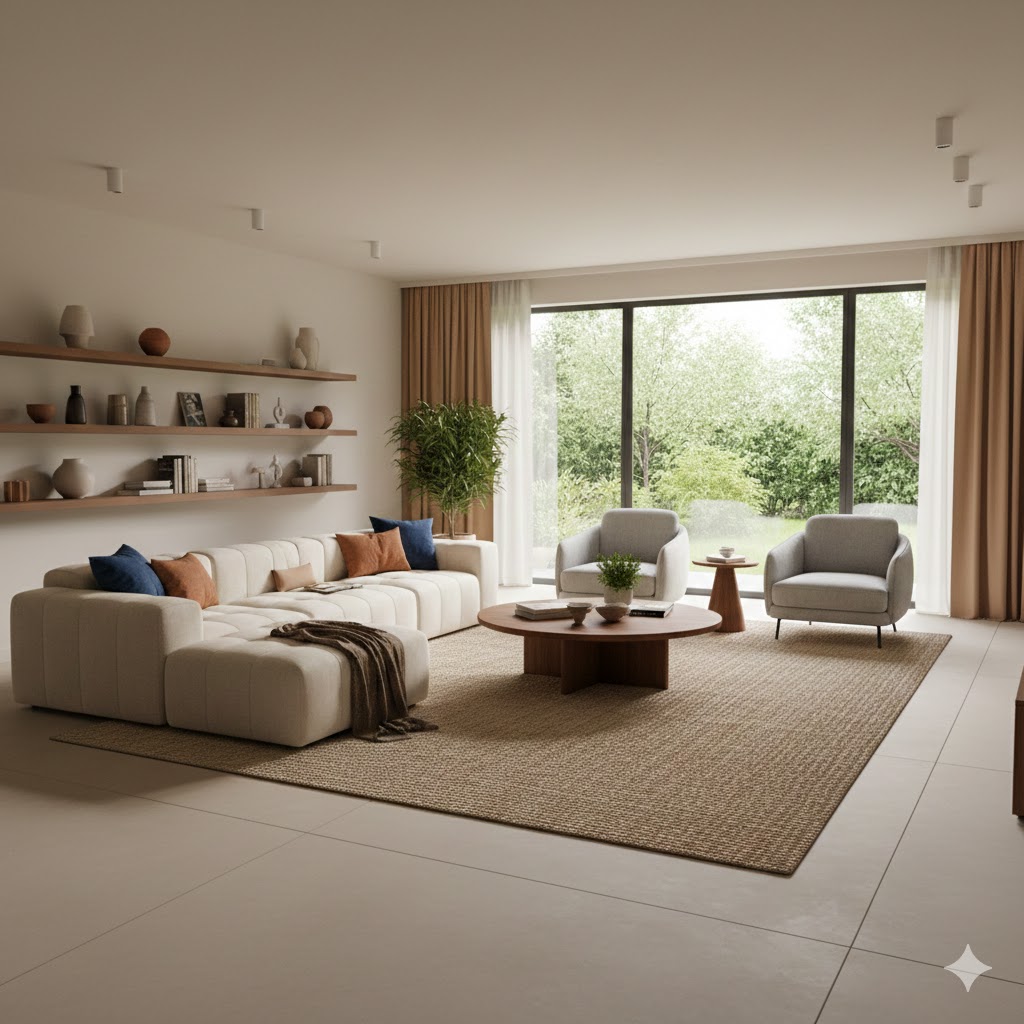
Living Space Designs: How to Create a Beautiful and Functional Living Area

Living Space Designs: How to Create a Beautiful and Functional Living Area

Introduction

Living space designs are about arranging furniture, colors, lighting, and decor in a way that makes your living area both beautiful and practical. A good living space design feels comfortable, looks balanced, and allows easy movement. You do not need expensive furniture. You need smart layout, soft lighting, and simple styling choices.

1

How Do You Plan the Perfect Living Space Layout?

How Do You Plan the Perfect Living Space Layout?

The layout is the foundation of all living space designs. If the layout is wrong, even expensive furniture will not look good. If the layout is right, even simple furniture can look amazing.

Start by understanding your space. Is it small or large? Open-plan or closed room? Measure the room before buying anything. Many people skip this step. Then they buy furniture that is too big. The room feels crowded. Good design always starts with measuring.

Next, think about movement. You should be able to walk easily through the room without hitting furniture. Leave clear walking paths. A good rule is to keep at least 60–90 cm of space for walking areas.

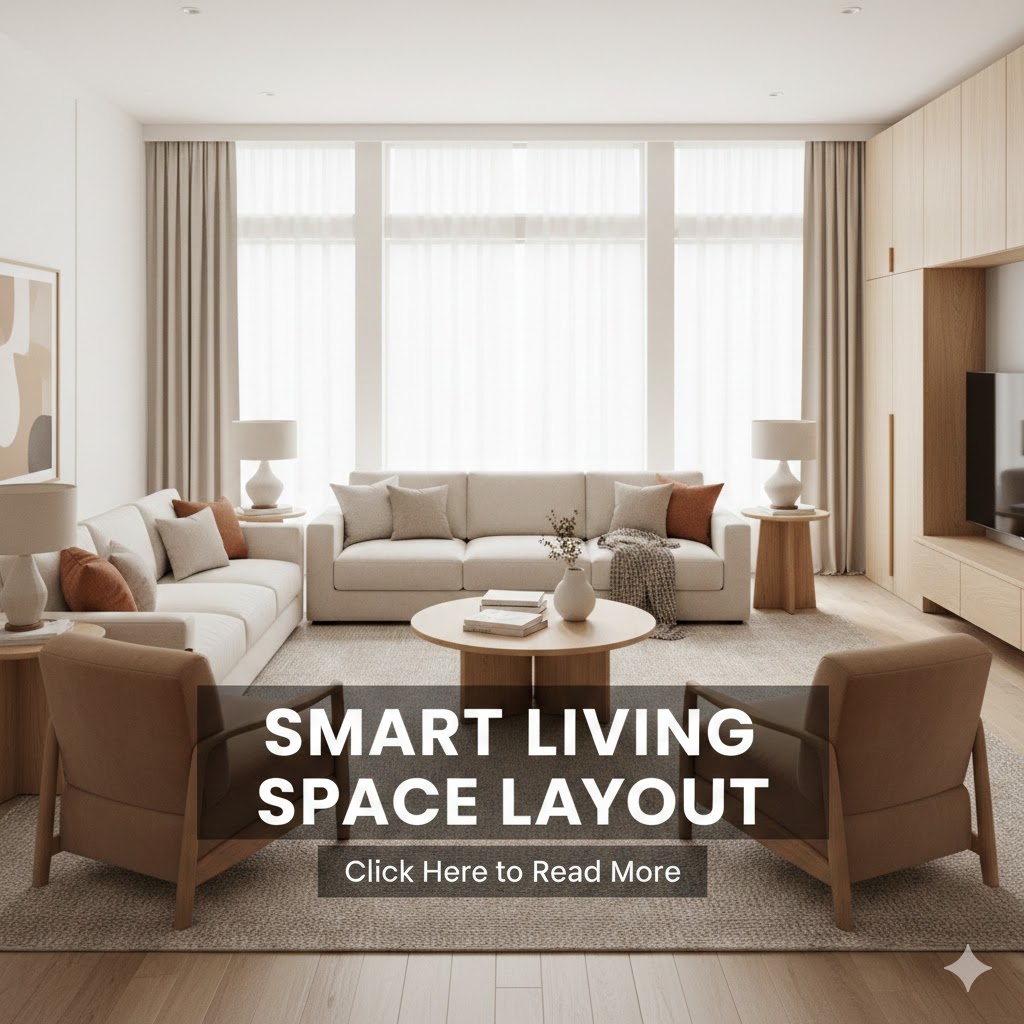
Now decide the main focus point. Every living room needs one. It can be a TV, a fireplace, a large window, or even a big artwork. Arrange your seating around that focus point. This creates balance.

Do not push all furniture against the wall. This is a common mistake. When everything touches the wall, the room feels empty in the middle. Instead, bring furniture slightly inward to create a conversation area.

Use rugs to define areas. In open spaces, rugs help separate the living area from dining or kitchen spaces. Make sure the rug is large enough. At least the front legs of your sofa should sit on it.

Choose furniture that fits your space. In small rooms, use slim sofas and chairs with visible legs. Furniture with exposed legs makes the room feel lighter. In larger rooms, you can use deeper sofas and bigger coffee tables.

Think about storage too. Living space designs must be practical. Add shelves, cabinets, or storage tables to reduce clutter. A messy room never looks good.

Keep the layout simple. Do not overfill the space. Empty space is important. It gives the eyes a place to rest.

A well-planned layout makes everything else easier. It makes decorating simple. It makes cleaning easier. And it makes your living space feel calm and organized.
2

How Do Colors and Lighting Change Living Space Designs?

How Do Colors and Lighting Change Living Space Designs?

Color and lighting control the mood of your living space designs. Even perfect furniture will look wrong under bad lighting or harsh colors.

Start with wall colors. Neutral colors are safe and powerful. Beige, soft gray, warm white, and light taupe work almost everywhere. They make rooms feel bigger and brighter.

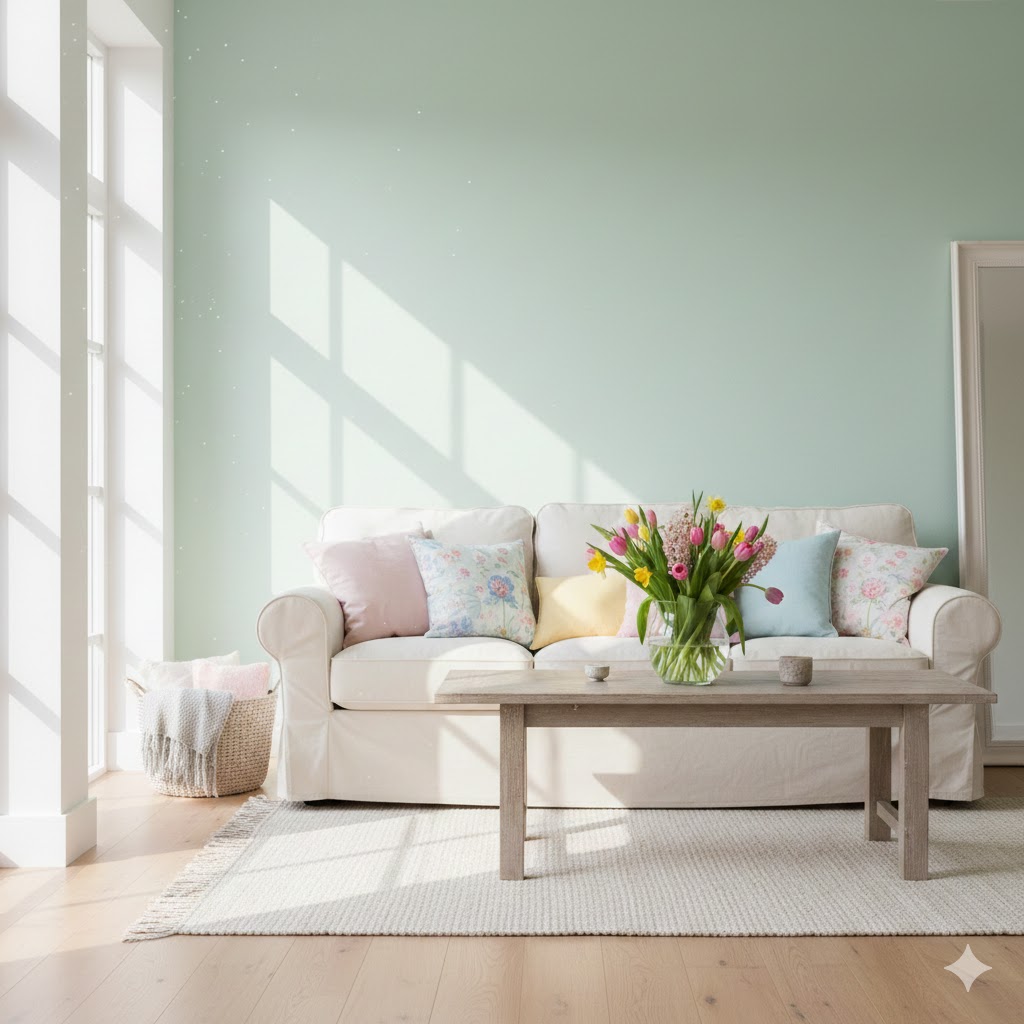
If you want more personality, add color through decor. Use throw pillows, art, rugs, or curtains. This way, you can change colors later without repainting.

Dark colors can look beautiful, but they need balance. If you paint one wall dark, keep the other walls lighter. Also make sure you have enough lighting. Dark walls with poor lighting make a room feel small.

Lighting is more important than most beginners think. One ceiling light is not enough. Good living space designs use layered lighting.

There are three main types of lighting. Ambient lighting is the main light. Task lighting helps you read or work. Accent lighting highlights decor like artwork or shelves.

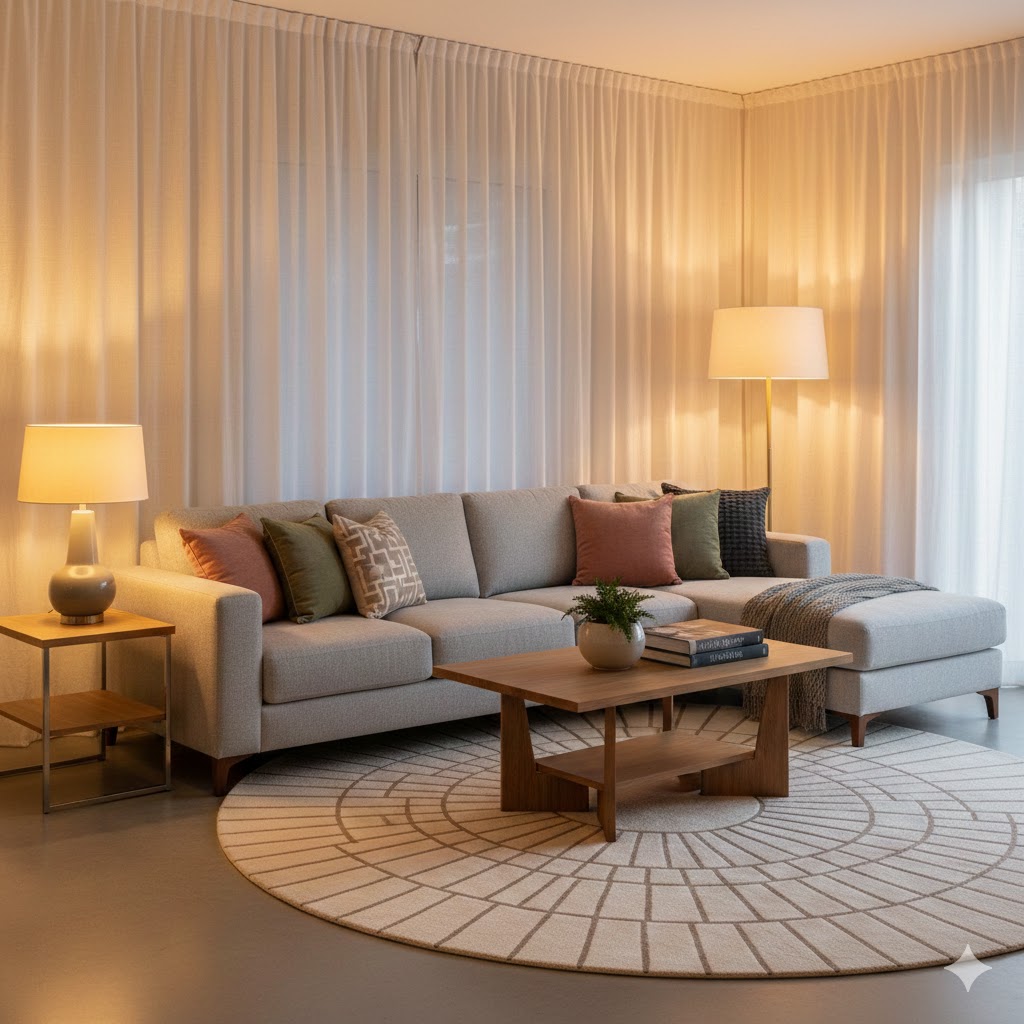
Add floor lamps and table lamps. They create warm corners. Warm light bulbs (around 2700K–3000K) make the room feel cozy. Cool white light feels more like an office.

Natural light is the best light. Use light curtains to allow sunlight in. Avoid heavy dark curtains if your space is small.

Mirrors also help increase light. Place a mirror opposite a window. It reflects light and makes the room look bigger.

If your living space feels boring, often the problem is lighting, not furniture. Adjust your lighting before buying new decor.

Color and light together create mood. Soft neutral walls plus warm layered lighting create comfort. Bold accent colors plus strong lighting create energy.

Choose the mood you want. Calm. Cozy. Modern. Elegant. Then use color and lighting to create it.

3

What Furniture and Decor Make a Living Space Look Stylish?

What Furniture and Decor Make a Living Space Look Stylish?

Furniture and decor complete your living space designs. But more does not mean better. Style comes from smart choices, not many items.

Start with a comfortable sofa. It is usually the biggest piece. Choose a timeless design instead of trendy shapes. Neutral colors are safer for large furniture. You can change small decor later.

Add one or two accent chairs if space allows. They add character and make the room feel complete. Make sure they match the style of the sofa.

Your coffee table should match the size of your sofa. Too small looks strange. Too big blocks movement. Wood adds warmth. Glass looks modern. Choose based on your style.

Add texture. Texture means mixing materials. For example, a soft fabric sofa, a wooden table, a metal lamp, and a woven rug. Mixing materials makes the room feel rich without adding clutter.

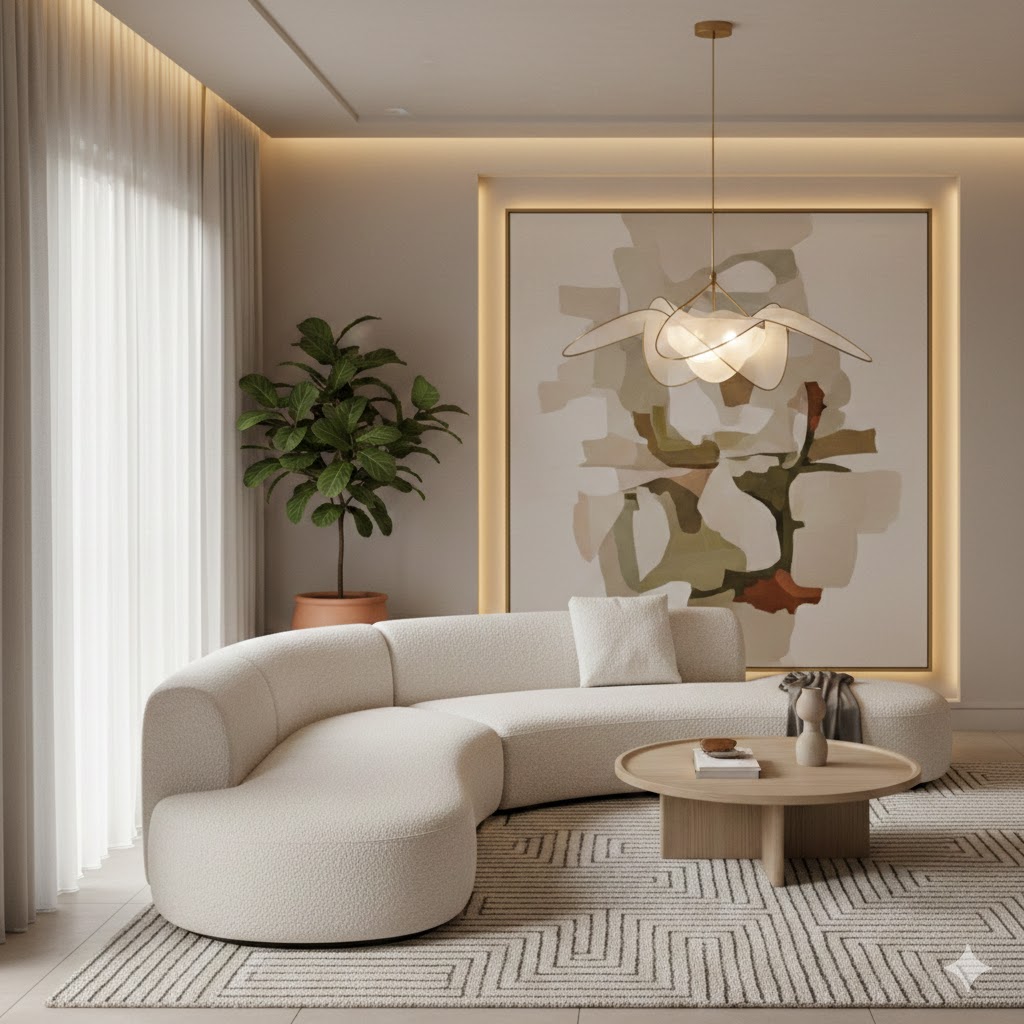
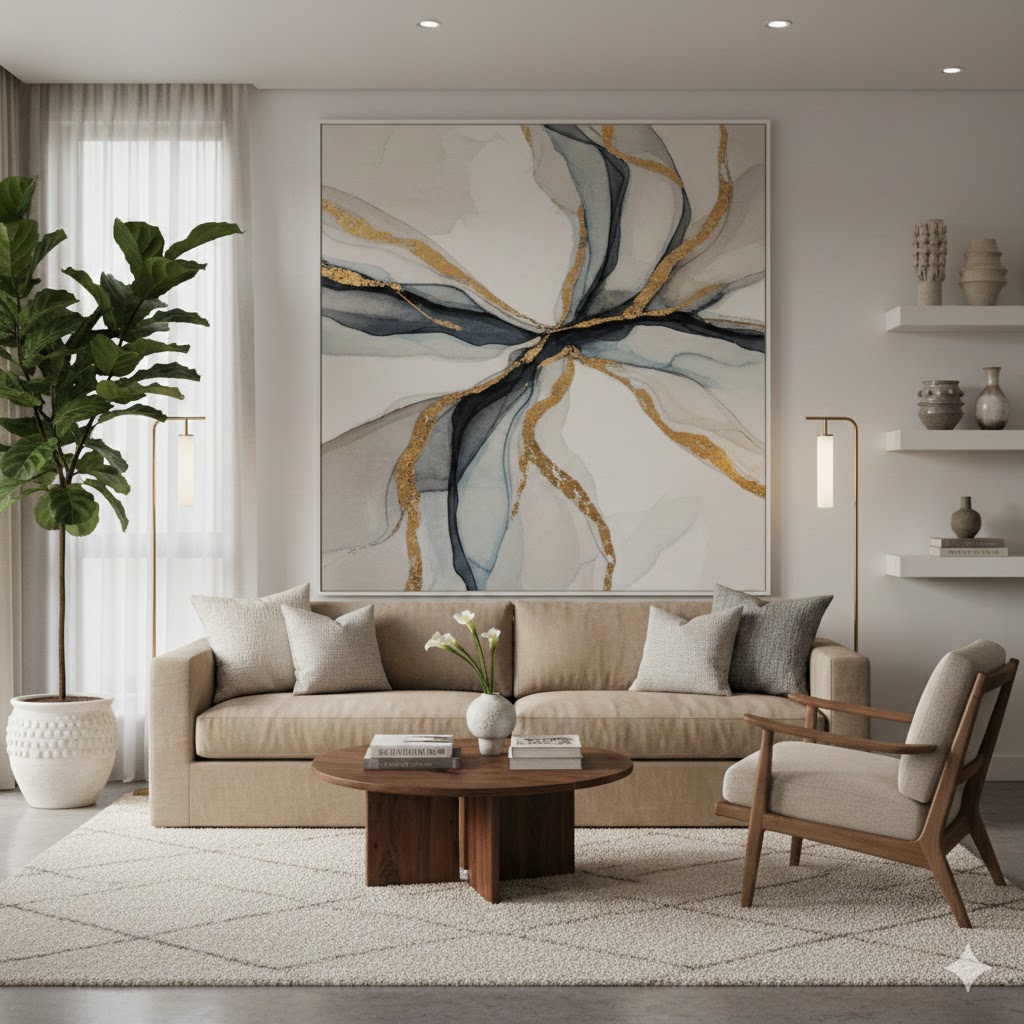
Wall decor should be simple. One large artwork often looks better than many small pieces. Large art makes the room feel mature and balanced.

Plants make living space designs feel alive. Even one medium-sized plant in the corner can change the whole mood. Green adds freshness.

Keep surfaces clean. Do not overload shelves and tables. Leave some empty space. This makes your decor stand out more.

Use symmetry for a clean look. For example, two lamps on both sides of a sofa. Or two matching chairs. Symmetry feels organized.

Add one statement piece. It can be a bold chair, a unique light fixture, or a special art piece. One statement is enough. Too many statements create chaos.

Stylish living space designs are about harmony. Everything should feel connected. Colors should match. Materials should balance. Nothing should look random.

When someone enters your living space, they should feel comfort first. Style second. That is real design.

4

FAQs

What makes a good living space design?
A good living space design balances beauty and function. It looks good and feels comfortable.

How do I design a small living space?
Use light colors, slim furniture, large mirrors, and keep the layout simple.

What colors are best for living space designs?
Neutral colors like beige, gray, and warm white work best for most homes.

How important is lighting in living rooms?
Very important. Layered lighting makes the room feel warm and stylish.

Should I match all my furniture?
No. Furniture should coordinate, not be identical. Mixing materials adds character.

How do I make my living room look expensive?
Keep it clean, use large artwork, add warm lighting, and avoid clutter.

Do rugs really matter?
Yes. Rugs define the space and make it feel complete.

How often should I update my living space decor?
You can refresh small items like pillows or decor seasonally without changing big furniture.

5

Summary

Living space designs are about smart layout, balanced colors, layered lighting, and thoughtful furniture choices. You do not need luxury items. You need planning, simplicity, and harmony. When your layout allows easy movement, your lighting feels warm, your colors are balanced, and your decor is not cluttered, your living space becomes beautiful and comfortable at the same time.