Japandi Home Decor: Simple Guide to a Calm, Warm, and Clutter-Free Home

Japandi Home Decor: Simple Guide to a Calm, Warm, and Clutter-Free Home

Introduction

Japandi home decor is a style that mixes Japanese minimalism and Scandinavian comfort. It focuses on clean lines, natural materials, soft neutral colors, and no clutter. The result is a calm, warm, and balanced home that feels peaceful and modern.

1

What Japandi Home Decor Really Means (And Why It Feels So Calm)

What Japandi Home Decor Really Means (And Why It Feels So Calm)

Japandi home decor is a mix of two styles. Japanese design is simple and peaceful. Scandinavian design is warm and cozy. When you combine them, you get a home that feels clean but not cold. Simple but not empty. This balance is why Japandi has become very popular.

In Japanese interiors, there is a strong focus on space and calm. Rooms are not full of furniture. There is breathing space. Every item has a purpose. Nothing is random. Scandinavian design also values simplicity, but it adds warmth. It uses soft textures, light wood, and cozy elements. Japandi takes the best of both.

The main idea of Japandi home decor is intentional living. Intentional means you choose items carefully. You do not buy decorations just to fill space. You buy pieces that have function and beauty. For example, a wooden table that is simple but well-made. A ceramic vase that is handmade and slightly imperfect. These small details make the room feel real and peaceful.

Japandi spaces are never loud. There are no bright neon colors. There are no busy patterns everywhere. Instead, there are calm tones like warm white, beige, soft gray, muted brown, and earthy green. These colors relax your eyes. When your eyes are relaxed, your mind also feels calmer.

Another important part is clean lines. Furniture in Japandi style is simple. Straight lines. Soft curves. No heavy decoration. The beauty comes from shape and material, not from extra details. A low wooden coffee table. A simple sofa with straight arms. A clean wooden bench. These shapes make the room feel organized.

But Japandi is not empty. It is not cold minimalism. It still feels cozy. That is where Scandinavian influence comes in. You can add soft throw blankets, linen cushions, and warm lighting. This keeps the room welcoming. Without warmth, a simple room can feel boring. Japandi avoids that by using texture and soft light.

Clutter is the biggest enemy of Japandi home decor. If surfaces are full, the style is lost. Japandi needs clear surfaces and smart storage. Closed cabinets are better than open shelves if you have many items. When everything has a place, the room feels calm.

This style also works well for small spaces. Because it uses fewer items and lighter colors, small rooms feel bigger and more open. It is perfect for apartments and modern homes where you want peace after a long day.

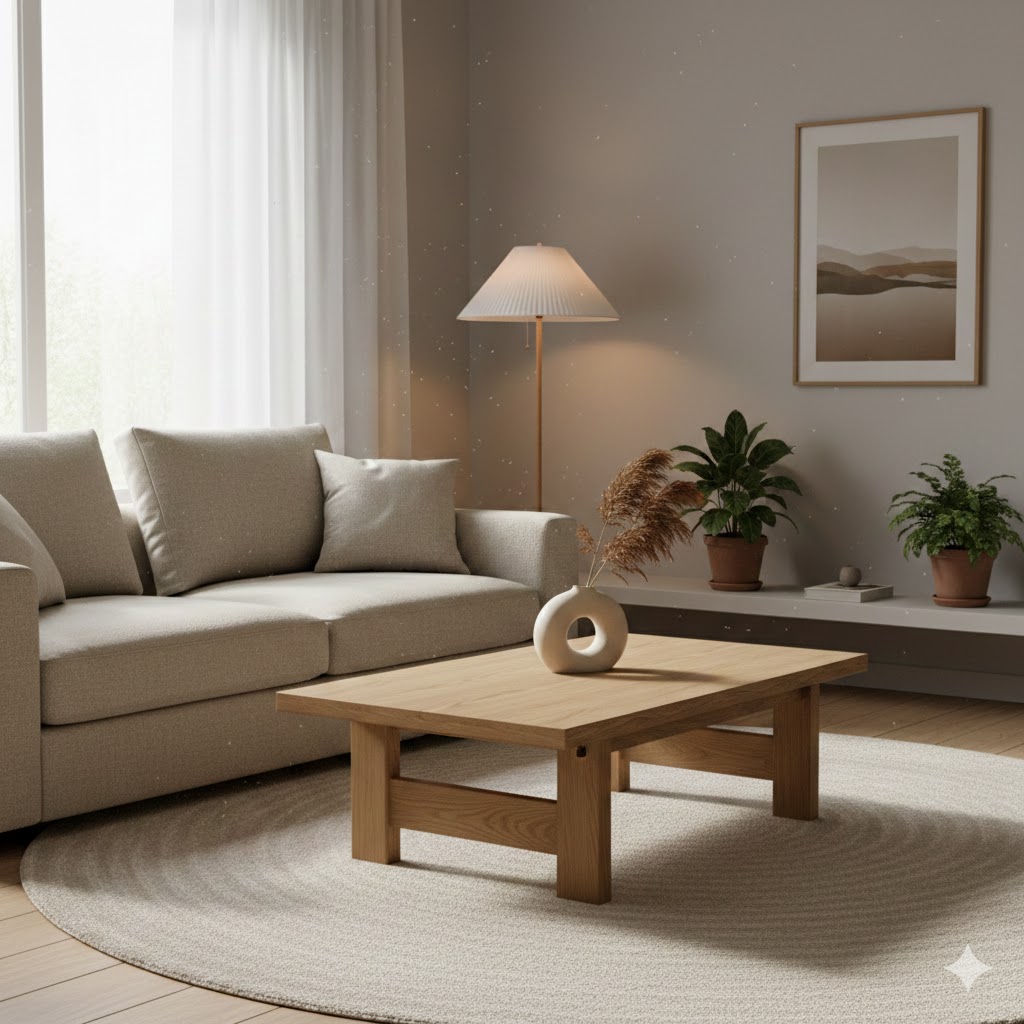
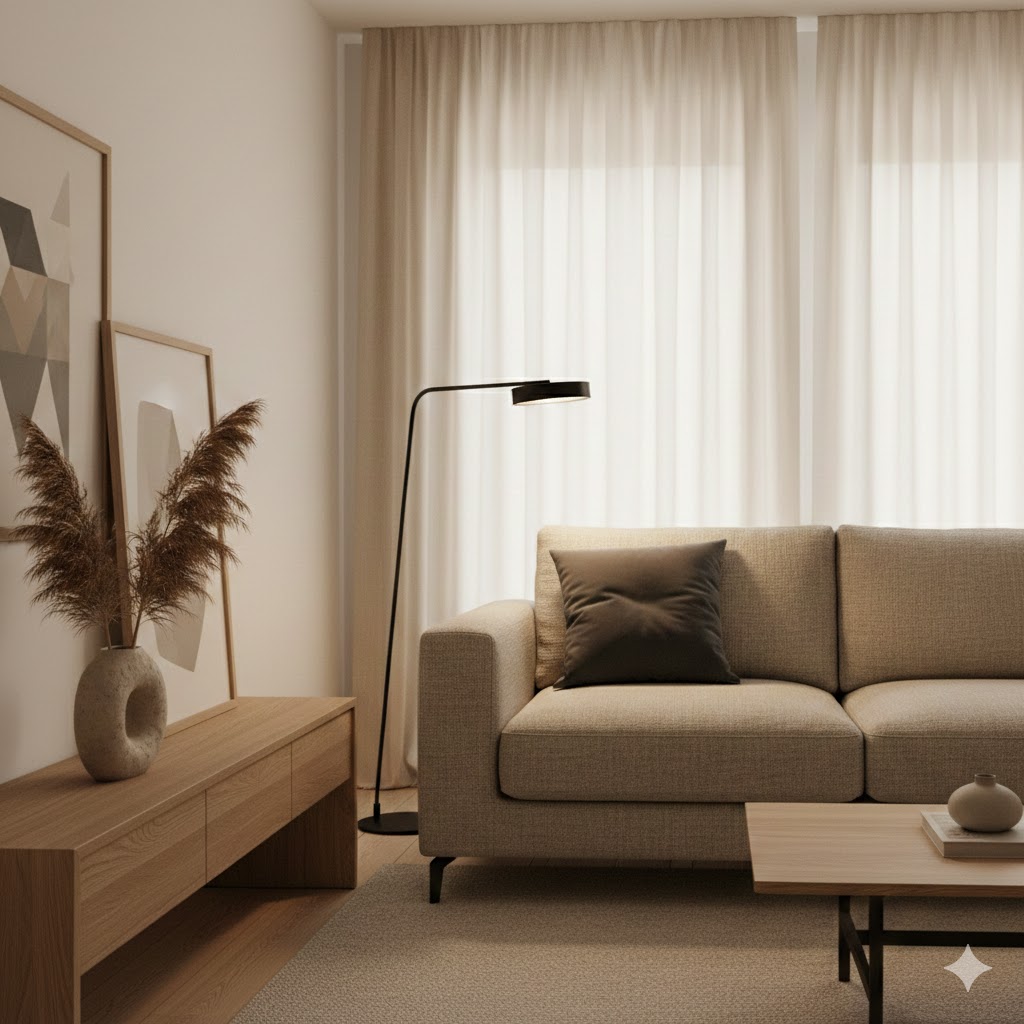
Simple example: A low wood coffee table, a beige sofa, one ceramic vase, a soft rug, and a warm floor lamp. That is Japandi. Clean. Calm. Warm.

2

Japandi Color Palette and Materials (How to Choose the Right Ones)

Japandi Color Palette and Materials (How to Choose the Right Ones)

The color palette in Japandi home decor is soft and natural. This is very important. If you choose the wrong colors, the room will not feel Japandi. It will feel random. The base colors are usually warm white, cream, beige, light taupe, and soft gray. These colors make the room feel light and peaceful.

Then you add deeper natural tones. This can be muted brown, earthy green, charcoal, or soft black. These darker colors create contrast. Contrast means difference. Without contrast, the room can look flat. With small dark touches, the room looks balanced and mature.

Bright colors are not common in Japandi style. If you use color, keep it muted. Muted means soft and slightly dusty, not strong and shiny. For example, a muted olive green cushion works. A bright green neon cushion does not. The same rule applies to blue, pink, or any other color.

Wood is the heart of Japandi materials. Natural wood adds warmth and life. Light wood like oak creates a soft Scandinavian feeling. Darker wood adds depth and Japanese elegance. You can mix light and medium wood tones, but do it carefully. Keep them in the same warm family so they do not clash.

Texture is also key. Japandi rooms are not full of patterns. Instead, they use texture for interest. Linen curtains. Cotton cushions. Wool-like rugs. Woven baskets. Ceramic pottery. These textures make the room feel rich without being busy. Texture replaces decoration.

Another important material is stone or stone-like surfaces. A simple stone vase, a concrete lamp base, or a stone tray adds natural strength. But keep it minimal. One or two stone elements are enough.

Metal is used carefully in Japandi decor. Matte black metal works well. It adds structure. But shiny gold or chrome is less common. Japandi prefers soft, natural finishes. The focus is always on calm and balance.

Lighting also matters. Use warm lighting, not cold blue light. Cold light makes the room feel harsh. Warm light makes wood look richer and fabrics look softer. Table lamps and floor lamps are better than only ceiling lights. Layered lighting creates depth.

When choosing materials, think “natural and honest.” Honest materials show their true texture. Wood shows its grain. Linen shows its weave. Ceramic shows slight imperfections. These details make the room feel authentic.

Simple example: Cream walls, oak wood table, beige sofa, charcoal cushion, linen curtains, and one ceramic vase. The room feels balanced and calm.

3

How to Style a Japandi Living Room (Step-by-Step in Simple Logic)

Styling a Japandi living room is about reducing and refining. First, look at your space and remove what is not necessary. Too many decorations break the Japandi mood. Clear the surfaces. Keep only useful and beautiful pieces.

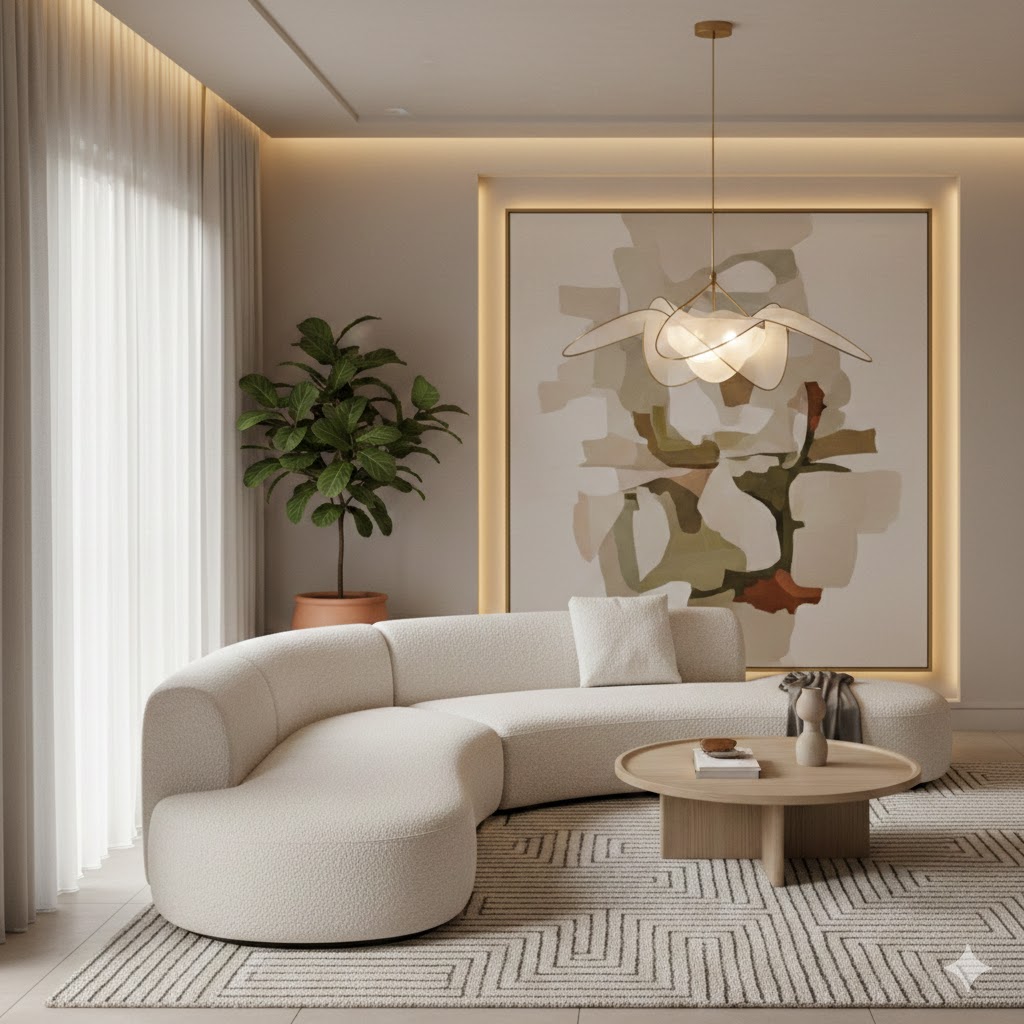
Start with a neutral base. Walls should be light and warm. The sofa should be simple in shape and neutral in color. Avoid heavy patterns. A plain beige, cream, or light gray sofa works best. The shape should be clean. No large decorative arms or extra details.

Next, add a wooden coffee table. Choose one with simple legs and clean lines. Avoid carved details. The table should feel solid and natural. On top of the table, do not overcrowd. One tray, one ceramic piece, maybe one small book. That is enough.

Now add texture. A soft rug under the table makes the room feel grounded. Linen or cotton cushions add comfort. A throw blanket over the sofa adds warmth. Keep the colors calm and natural.

Plants can also be used in Japandi decor, but carefully. One plant in a simple pot is enough. The pot should be neutral, like ceramic or clay. Do not use colorful or plastic-looking pots.

Use lighting to create mood. A floor lamp in the corner with warm light makes the room cozy at night. A small table lamp on a side table adds depth. Avoid very bright white lighting.

Storage is important. If you have many items, use closed cabinets or simple shelves. Japandi style does not show too much. It hides clutter. When everything has a place, the room feels peaceful.

Keep art minimal. One large art piece is better than many small frames. Choose art with soft colors and simple design. Abstract nature art works well. Black-and-white photography also fits.

Finally, leave some empty space. Empty space is not wasted. In Japandi home decor, empty space is part of the design. It allows the eye to rest. It makes the room feel bigger.

Simple example: Neutral sofa, wooden table, soft rug, one plant, one art piece, warm lamp. Nothing extra. Calm and balanced.

4

Japandi Bedroom Ideas (Create a Peaceful Space for Better Rest)

A Japandi bedroom should feel like a retreat. A retreat is a place where you relax and feel safe. The bedroom must be calm, simple, and soft.

Start with the bed. Choose a low bed frame if possible. Low furniture is common in Japanese design. It makes the room feel grounded and peaceful. The bed should have simple lines. No heavy decoration on the headboard.

Use neutral bedding. White, cream, beige, or soft gray work well. Layer different textures instead of adding patterns. For example, linen sheets, a cotton duvet, and a soft woven throw. Texture adds interest without making the room busy.

Add wood elements. Wooden bedside tables or a wooden bench at the end of the bed create warmth. The wood should look natural, not glossy. Natural grain is beautiful in Japandi style.

Keep bedside tables simple. A small lamp with warm light. Maybe one ceramic object or one book. Do not fill the table with many items. A clear surface feels calm.

Curtains should be light and soft. Linen curtains allow light to enter gently. Natural light in the morning helps the room feel fresh. At night, warm lamps create a cozy atmosphere.

Wall decor should be minimal. One piece of art above the bed is enough. Choose something simple, like abstract shapes or nature-inspired tones. Avoid bright or loud art.

Storage should be hidden. Use drawers or wardrobes with clean fronts. Clutter in a bedroom affects sleep. Japandi style supports rest by removing distractions.

Add one small natural element. This can be a plant, a wooden stool, or a woven basket. It connects the bedroom to nature and makes it feel alive.

The overall feeling should be calm and balanced. When you enter the room, you should feel your shoulders relax. That is the goal of Japandi bedroom design.

Simple example: Low wooden bed, beige bedding, linen curtains, small warm lamp, one simple art piece. Peaceful and warm.

5

FAQs (Short Answers)

FAQ 1: What is Japandi home decor?
A mix of Japanese minimalism and Scandinavian warmth.

FAQ 2: What colors are used in Japandi style?
Warm neutrals like cream, beige, soft gray, brown, and muted green.

FAQ 3: Is Japandi the same as minimalism?
No. It is minimalist but warmer and more cozy.

FAQ 4: Can Japandi work in small apartments?
Yes. It works very well because it reduces clutter.

FAQ 5: What materials fit Japandi decor?
Wood, linen, cotton, ceramic, stone, and matte black metal.

FAQ 6: How do I avoid making it look cold?
Use warm lighting, soft textures, and natural wood.

FAQ 7: Is Japandi expensive?
It can look expensive, but you can achieve it with simple, well-chosen items.

FAQ 8: What is the biggest mistake?
Too many decorations and bright colors.

6

Summary Paragraph

Japandi home decor creates a calm, warm, and clutter-free home. Use neutral colors, natural wood, soft textures, and warm light. Keep only what is useful and beautiful. When you remove the extra and focus on balance, your home feels peaceful and modern.