Future Home Decor Ideas: 2026+ Trends That Will Make Your Home Look Modern for Years

Future Home Decor Ideas: 2026+ Trends That Will Make Your Home Look Modern for Years

Introduction

Future home decor ideas are not about buying weird “space” furniture. They are about making your home feel calm, warm, and modern, while still being easy to live in. The future look is clean, natural, and smart. It uses warm neutrals, real textures like wood and stone, better lighting, and a few bold details that show personality. This guide shows what to do and how to do it in simple words.

1

Build a “Future-Proof” Base Style That Never Looks Old

Build a “Future-Proof” Base Style That Never Looks Old

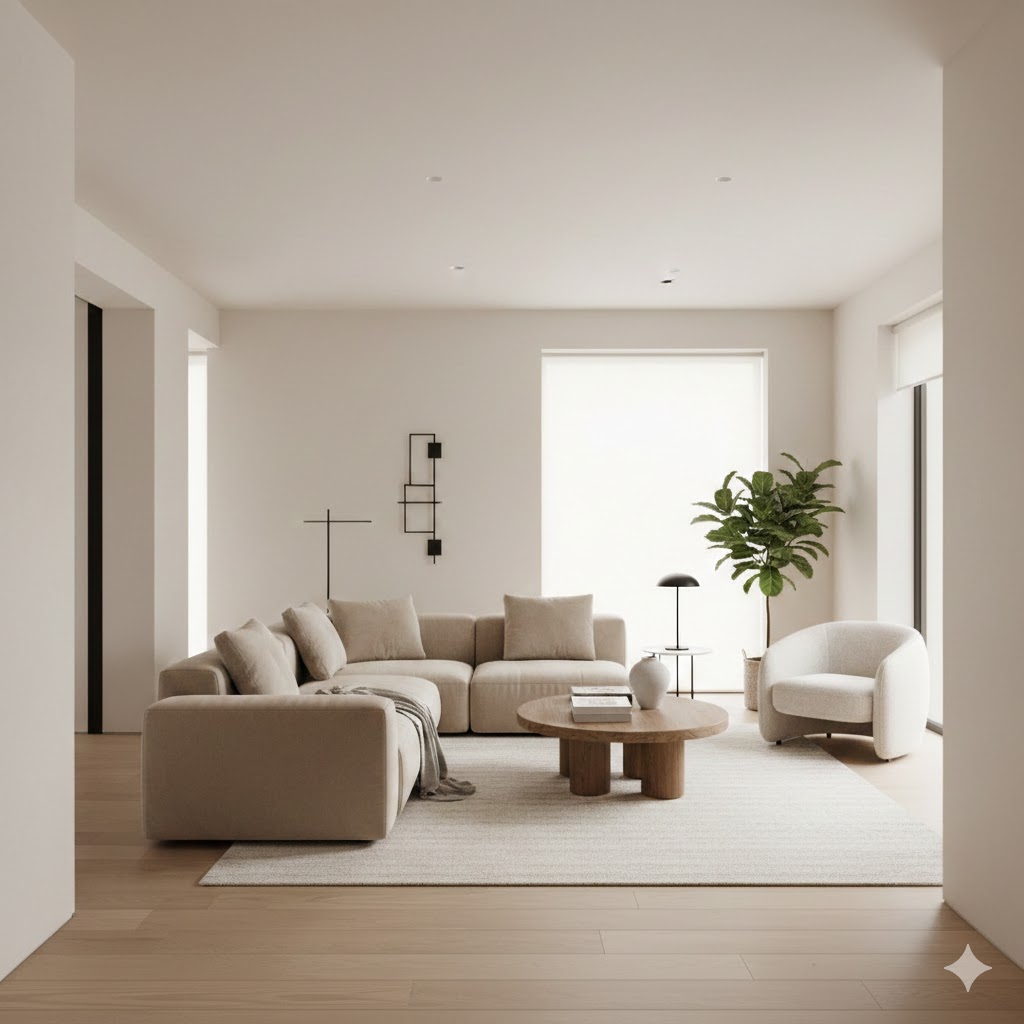
If you want your home to still look good in 3 to 10 years, you need a base style that can handle change. The future of home decor is not one single look. It is more like a strong foundation, then you change small things when trends change. The strongest foundation is a clean, warm, simple home. People often call this “warm minimalism,” which just means you remove clutter, but you keep the home cozy, not empty. It is the opposite of a cold, boring room. It feels clean, but also comfortable. This warm direction is showing up a lot in 2026 trend reports because people want homes that feel good, not just homes that look good in pictures.

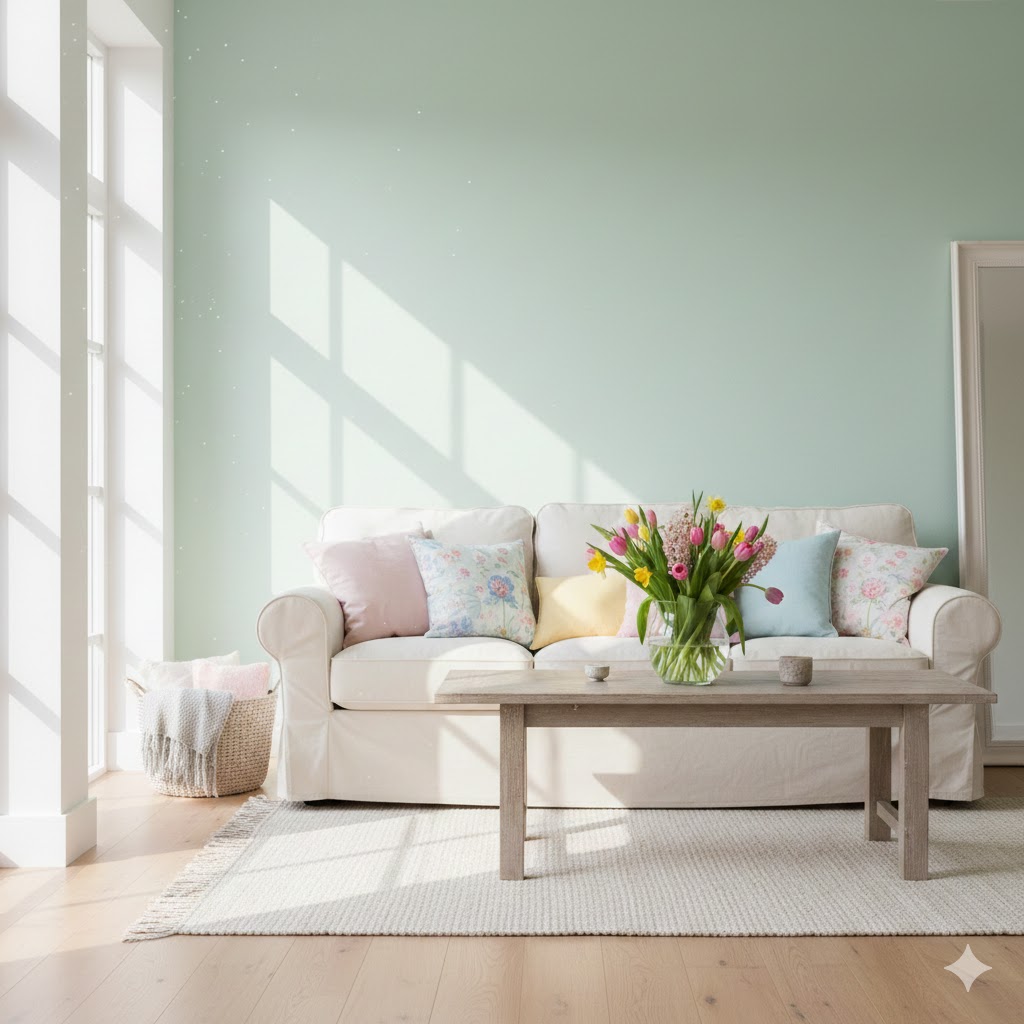
A future-proof base starts with calm colors. Think soft whites, creams, beige, light gray, deep brown, and gentle greens. Earth tones keep showing up because they feel natural and relaxing, and they match many materials.
When you use calm colors, you can later add bold accents without the room looking messy. You also make it easier to buy new items without fighting your old decor. This is important because the “future home” is flexible. You do not want to redesign everything every year.

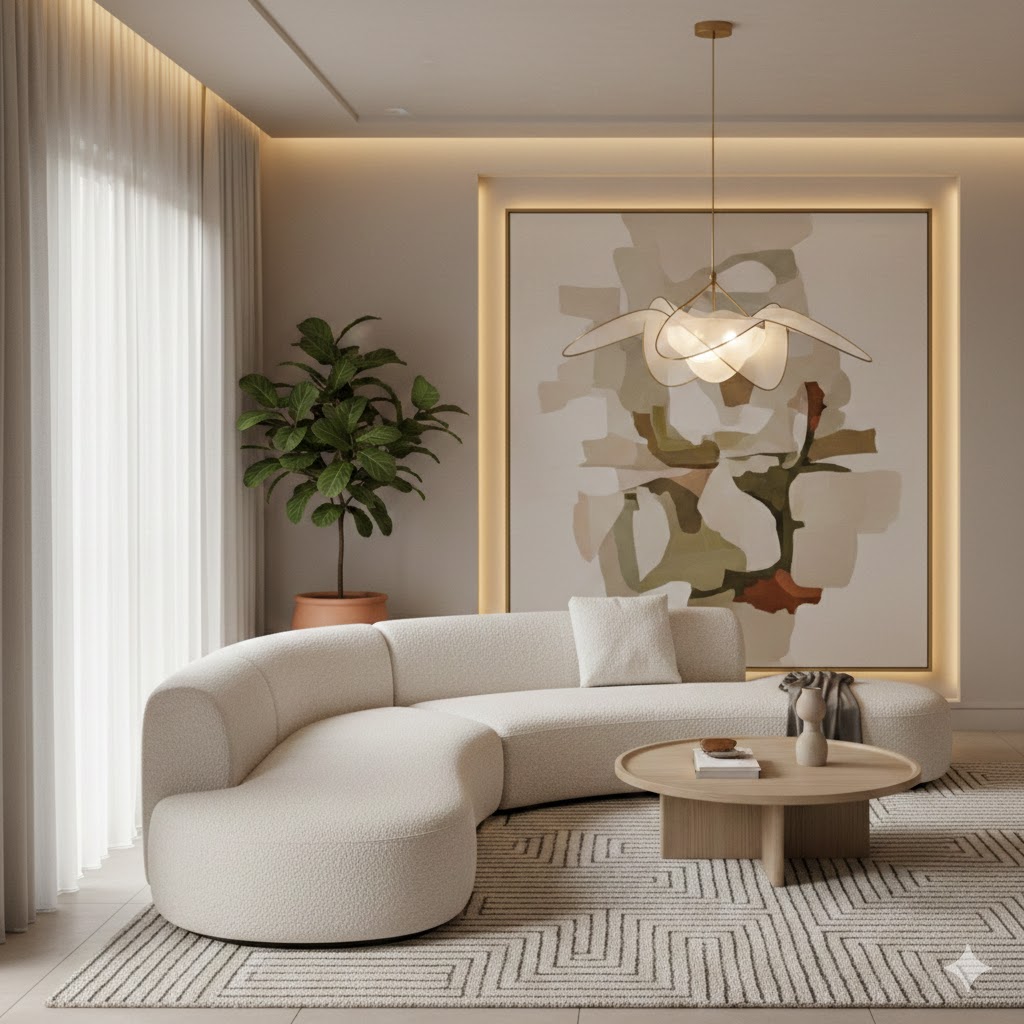
Now think about shapes. You will see more soft curves and rounded edges in furniture because they feel friendly and modern. Curved sofas, rounded coffee tables, and soft-edged mirrors make a space feel less harsh. Many 2026 trend summaries mention organic shapes and comfort, not sharp, hard lines.
You do not need to buy a whole new set. One curved piece can update the room fast.

The key is balance. A future-proof room needs open space. Open space is not “wasted.” It is what makes your home look clean and expensive. So keep surfaces simple. Keep your coffee table with one tray. Keep your shelf with a few items only. Keep your floor clear. When your base is calm, your home becomes “future-ready” because you can switch pillows, curtains, wall art, and lighting without stress.

Simple example. Imagine a living room with a neutral sofa, a warm rug, one wooden coffee table, and soft lighting. That room already looks modern. Then next year, you can add one bold pillow color, or one new wall print, and the room still works. That is what future-proof means. It is not magic. It is smart simplicity.
2

Bring Nature Inside in a Smart Way (Not Just “Put a Plant”)

Bring Nature Inside in a Smart Way (Not Just “Put a Plant”)

The future home is closer to nature. This idea is often called “biophilic design,” which is a big word that simply means designing your home to feel connected to nature. It is more than one plant in a corner. It is about light, materials, and the feeling of the space. In 2026 trend coverage, biophilic design keeps coming up because people want calmer homes and better daily life at home.

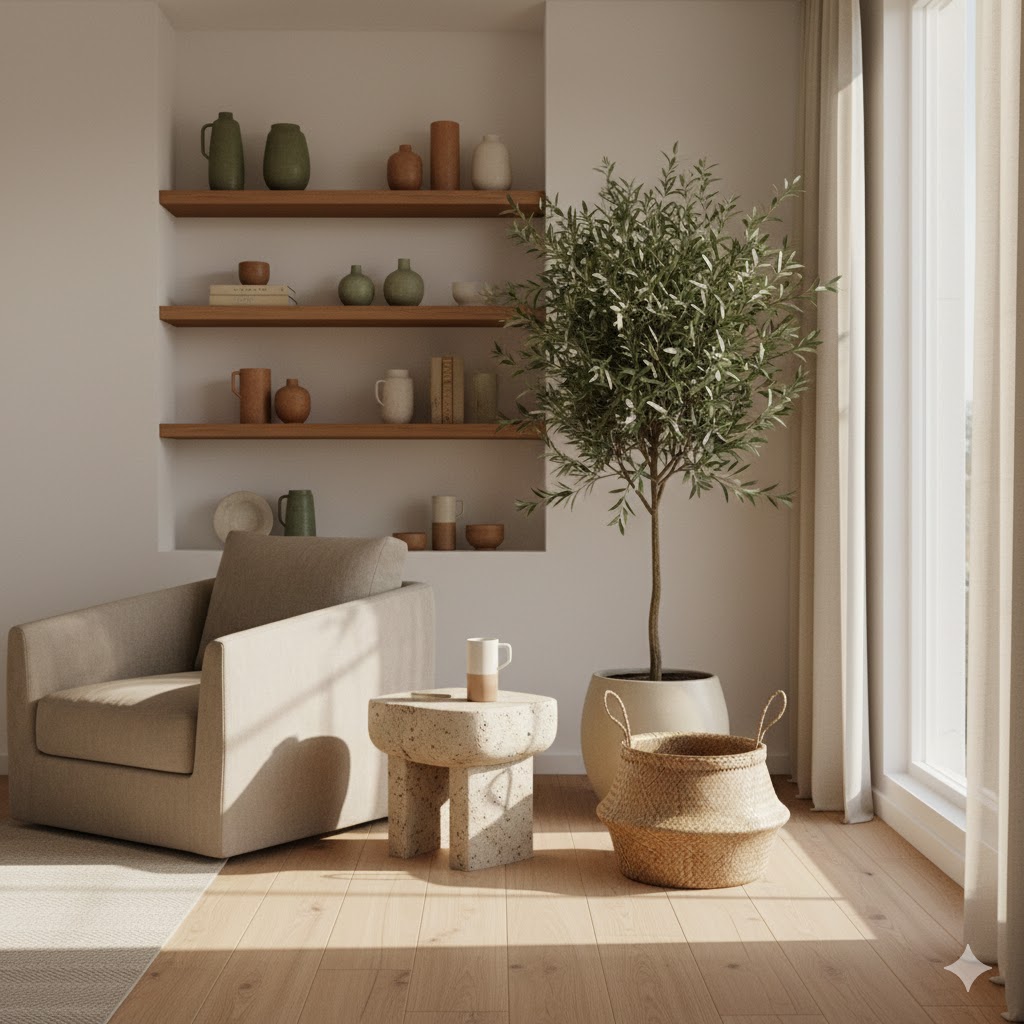
Start with natural materials. Wood, stone, clay, linen, cotton, and woven textures are the easiest way to make a room feel modern and warm. Many 2026 trend write-ups also highlight “natural materials and sustainability” because people are tired of fast, disposable decor.
You do not need to buy expensive marble. Even a small stone tray, a wooden bowl, or linen curtains can change the feel of a room. Natural texture gives your home depth. It makes simple colors look rich, not boring.

Next is light. A future-style home uses natural light as much as possible. Keep windows less blocked. Use light curtains that still give privacy. Mirrors can bounce daylight around and make rooms look bigger. This is a simple trick that still feels modern, and it supports that nature-connected feel. In many modern home design trend notes, natural light is treated like a main “decor tool,” not an afterthought.

Now plants, but done right. A future home does not need a jungle. It needs a few plants placed with intention. If you hate plant care, use one strong plant that can survive, or use a high-quality faux plant. The point is the feeling of life, not stress. A clean way is to place one tall plant near a window and one small plant on a shelf. Keep pots simple and matching, so the room stays tidy.

Also, nature can show up through pattern. For example, floral prints and botanical looks are even entering kitchens in unexpected ways, like floral-patterned appliances and bold botanical design details in 2026 trend talk.
You do not need floral appliances. But it shows where design is going: more personality, more nature, more “home feeling,” even in practical items.

Simple example. Picture a bedroom with cream bedding, a wooden nightstand, a linen curtain, and one plant. Add warm light. Add a simple framed nature print. That room feels modern and calm without any complex design skills.

3

Make Your Home “Smart” Without Making It Look Like a Gadget Store

Make Your Home “Smart” Without Making It Look Like a Gadget Store

When people hear “future home decor,” they think of robots and screens everywhere. But the real future is quieter. The future look hides technology. It makes tech feel invisible. You feel the comfort, but you do not see messy wires and random devices. This is why lighting, sound, and temperature control are becoming part of decor thinking, not just electronics. Many 2026 home trend discussions talk about comfort, experience, and how a home “feels,” not just how it looks.

Start with lighting because it changes everything. A future-ready home uses layers of light. That means you do not rely only on one bright ceiling bulb. You use a main light for brightness, then you add warm lamps for mood. A floor lamp in the living room. A bedside lamp in the bedroom. A small warm lamp in a corner. This makes your home feel expensive and calm. It also makes your space look better on camera, which matters for modern content and Pinterest-style rooms.

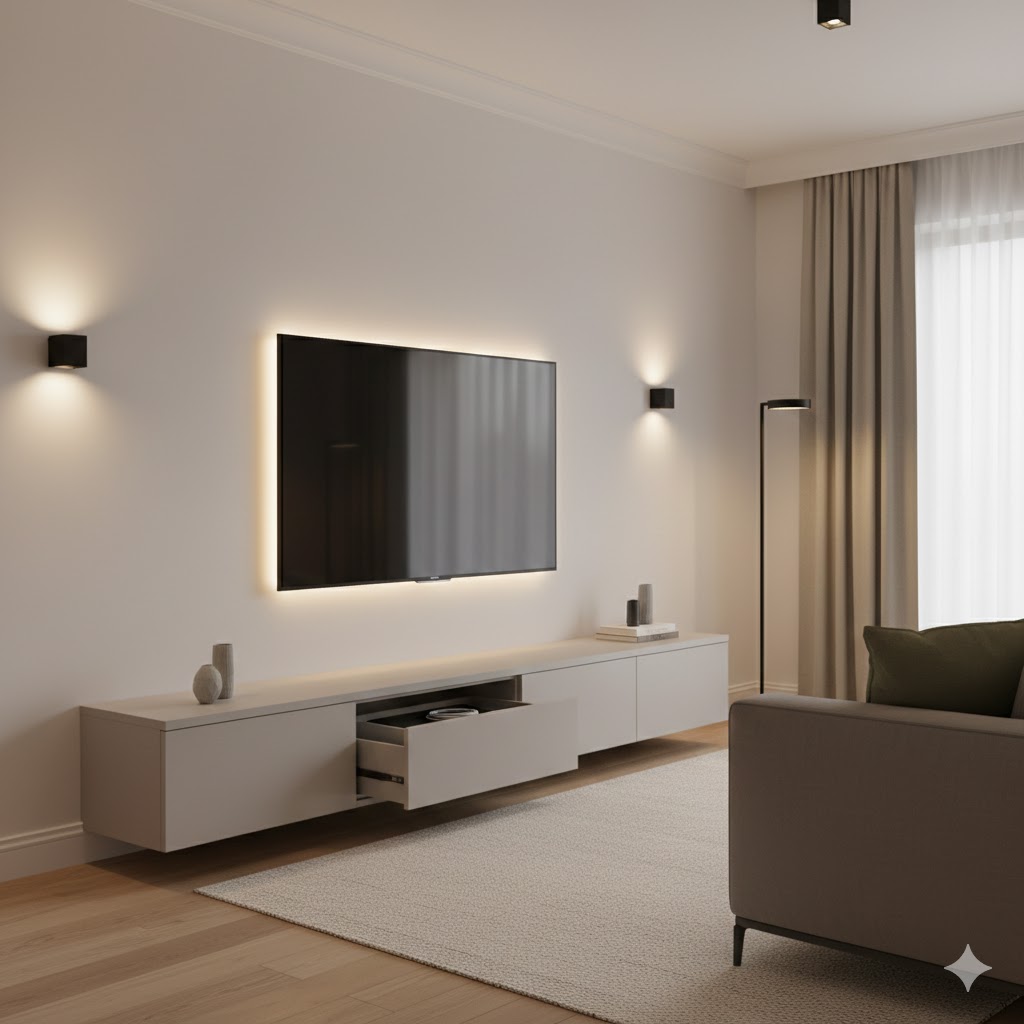
Then add “smart” in small ways. A simple upgrade is bulbs that can change brightness and warmth. This is not about turning your house into a nightclub. It is about having bright light in the morning and warm soft light at night. You can also use LED strips behind a TV or headboard for a clean glow, but keep it subtle. The future look is clean, not loud.

Now think about clutter control. The future home hides wires. Hide your charging area inside a drawer if you can. Use cable covers. Use a console with closed storage. If your tech is always visible, your room looks messy even when it is clean. A tidy setup is a modern setup.

Smart can also mean “easy to clean.” People are choosing decor choices that reduce stress. Closed storage instead of open shelves for messy items. Washable rugs. Simple surfaces. Fewer tiny decor pieces that collect dust. This matches the “intentional living” theme you see in sustainability-focused decor writing, because people want long-term items and less waste.

Color also connects to the future tech feel. In 2026, a lot of color trend talk includes earthy tones and also some bold color pops like red, ochre, sky blue, and green tones. The trick is to keep the base calm and let color show up in small places.
That way your room stays modern even if the “color of the year” changes.

Simple example. A living room with a neutral sofa, a warm floor lamp, hidden cables, and one soft blue accent pillow. It looks modern. It feels calm. And it is already “future” because it is smart in the way you live, not only in the way it looks.

4

Add Personality in a Bold, Controlled Way (Future Homes Are Less Boring)

Add Personality in a Bold, Controlled Way (Future Homes Are Less Boring)

For a while, many homes looked the same. White walls. Gray sofas. No personality. The “future” direction is changing because people want character again. That does not mean chaos. It means you add bold details in a controlled way. In 2026 trend coverage, there is more talk about statement design and stronger color choices, plus decorative details like trims, richer woods, and more expressive looks.

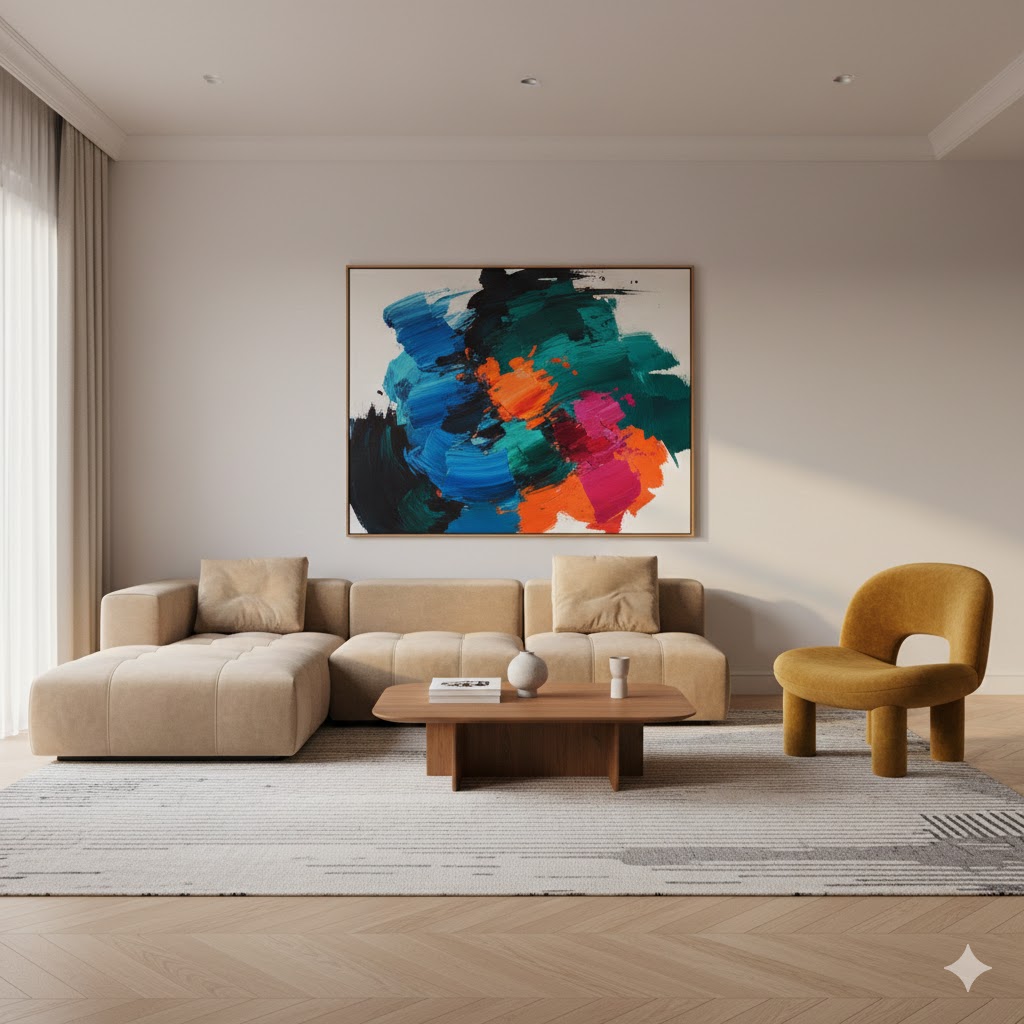
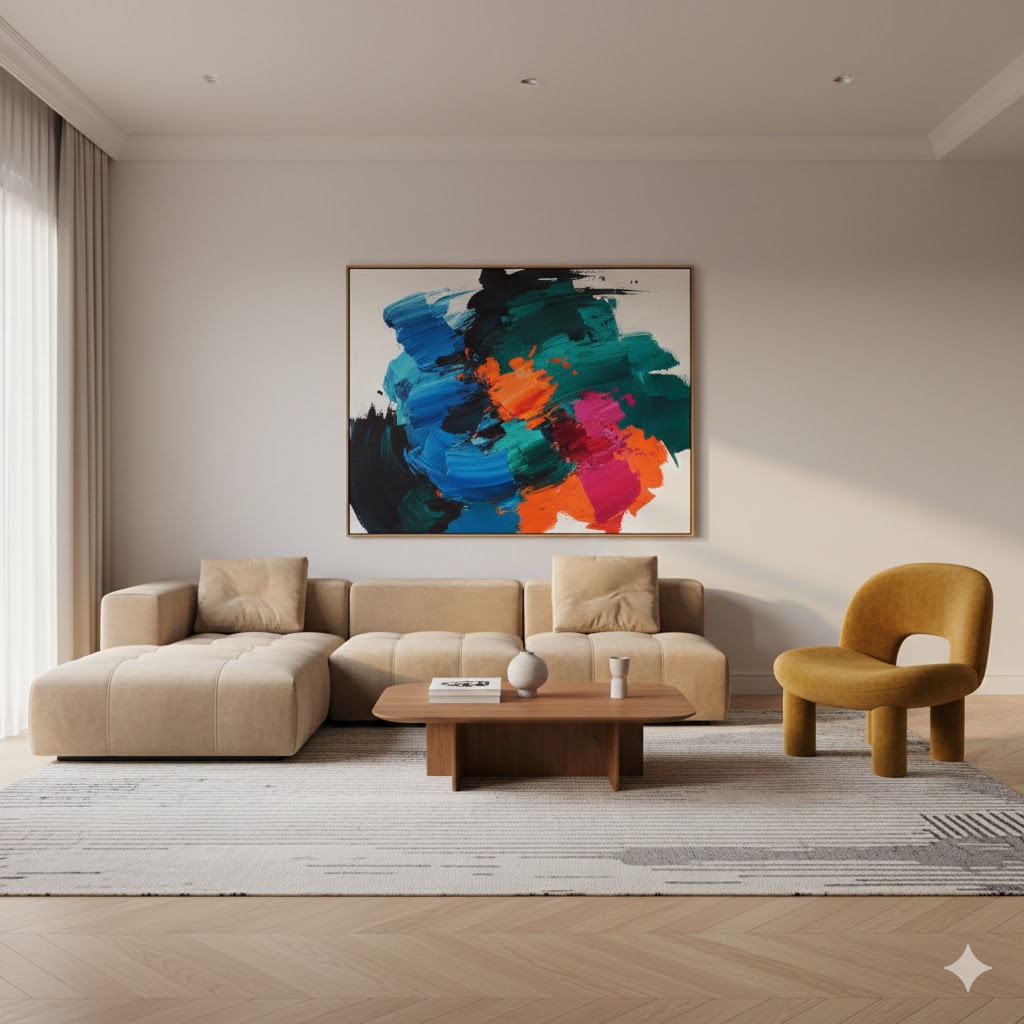
One big future idea is “statement pieces.” Instead of many small items, you choose one big thing that makes the room special. It can be a bold chair. A unique mirror. A strong rug. A colorful artwork. Or even a feature appliance in the kitchen, like the floral appliance trend being discussed for 2026.
The benefit is simple. Your room looks designed. But it still stays clean.

Another future direction is mixing styles. You might see boho textures mixing with cultural patterns and art, like what trend coverage has highlighted around rising interest in rattan, bamboo details, and African-inspired decor influences.
The reason this matters is that “global style” is rising. People want homes that feel personal, not copy-paste.

Color is part of personality too. If you want to try future colors without regret, use color in easy-to-change items. Use it in pillows, throws, art prints, and small decor. If next year you get tired, you change it fast. Some 2026 color trend reporting points to earthy umber, soft blues, reds, and yellow-vanilla type tones.
You do not need to paint the whole house red. You can add one deep red pillow, one warm ochre vase, or one soft blue rug.

Texture is also a big part of personality. Texture means the feel of a material. It is not a hard concept. It is just “this looks soft,” “this looks rich,” “this looks natural.” You can add texture with curtains, rugs, pillows, throws, baskets, and wood. Texture makes a room look expensive, even when the colors are simple.

Simple example. A neutral living room with one bold art piece, one patterned rug, and a warm wood table. The room is not crowded. But it is not boring. It feels modern, personal, and future-ready because it can evolve.

5

FAQs (Short Answers)

FAQ 1: What does “future home decor” really mean?
It means clean, warm, flexible decor that still looks modern in years.

FAQ 2: Do I need smart devices to have a future-style home?
No. Good lighting, clean layout, and tidy storage already feel modern.

FAQ 3: What colors feel modern for 2026 and beyond?
Warm neutrals and earth tones, plus controlled accent colors like soft blues or deep reds.

FAQ 4: How do I avoid my home looking outdated fast?
Keep the base neutral. Change small items like pillows and art.

FAQ 5: Are curved furniture pieces really “future”?
Yes. Soft shapes are trending because they feel comfortable and modern.

FAQ 6: Is minimalism still in style?
Yes, but it is warmer now, with more texture and comfort.

FAQ 7: What is the simplest “future” upgrade?
Warm layered lighting and less clutter.

FAQ 8: How do I add personality without making the room messy?
Use one statement piece and keep everything else simple.

6

Final Summary Paragraph

The best future home decor ideas are simple: build a warm neutral base, use natural materials and light, keep tech clean and hidden, and add personality with one or two bold details. When your home feels calm, tidy, and flexible, it will look modern now and later.