Biophilic Home Decor: Simple Ways to Make Your Home Feel Fresh, Calm, and Natural (Even in Small Rooms)

Biophilic Home Decor: Simple Ways to Make Your Home Feel Fresh, Calm, and Natural (Even in Small Rooms)

Introduction

Biophilic home decor means decorating your home in a way that feels close to nature. You do it with plants, natural light, wood, stone, natural textures, and calm colors. The result is a home that feels fresher, calmer, and more “alive.”

1

What Biophilic Home Decor Means (In Plain Words) and Why People Love It

What Biophilic Home Decor Means (In Plain Words) and Why People Love It

Biophilic home decor sounds like a big word, but the meaning is simple. It means you bring nature into your home so the space feels better to live in. “Bio” means life. “Philic” means love. So biophilic means “love of life.” In home decor, it means you design your home to feel natural, calm, and healthy. It is not only about putting plants everywhere. It is also about light, air, natural materials, and colors that feel like the outdoors.

People love this style because modern life can feel stressful. Many homes look hard and sharp. Shiny tile, bright lights, plastic furniture, lots of clutter. Biophilic decor softens that. It adds green. It adds texture. It adds warmth. And it makes the room feel like you can breathe. Even if a home is small, a biophilic look can make it feel more comfortable because it is calmer on the eyes.

A big beginner mistake is thinking biophilic decor means turning your home into a jungle. That is not required. You can do biophilic decor with just one plant and a few natural touches. The real goal is “nature feeling,” not “more objects.” Nature feeling can come from sunlight, wood grain, woven baskets, linen curtains, and natural colors like sand, cream, warm gray, brown, and soft green.

Biophilic home decor also works well for photos. This is why it trends on Pinterest. Plants look good in pictures. Natural light looks good in pictures. Warm wood looks good in pictures. When you combine these things, your home instantly looks styled, even if you did not buy expensive items. This style also looks expensive because it is not loud. It is quiet and clean. It uses space. It uses texture instead of busy patterns.

Biophilic design also makes your home feel more “real.” Many modern rooms feel like showrooms. Biophilic rooms feel lived-in but still clean. A plant in the corner, a warm lamp, a wooden table, and a soft rug make the space feel human.

This style also helps you avoid clutter. Instead of buying many small decorations, you choose fewer natural pieces that have a strong effect. One big plant can replace five small decorations. One textured rug can replace many random items. This makes biophilic decor easy to maintain. A home that is easy to maintain looks better more often.

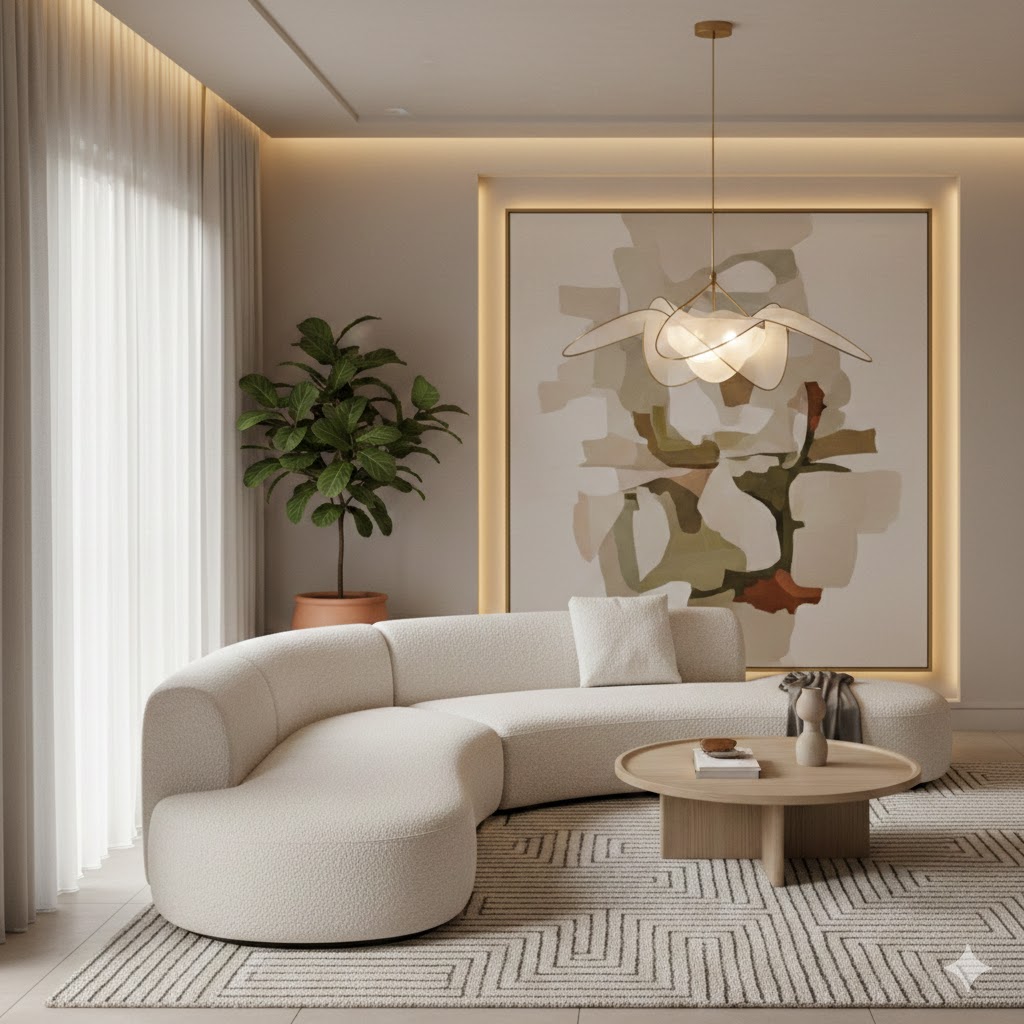
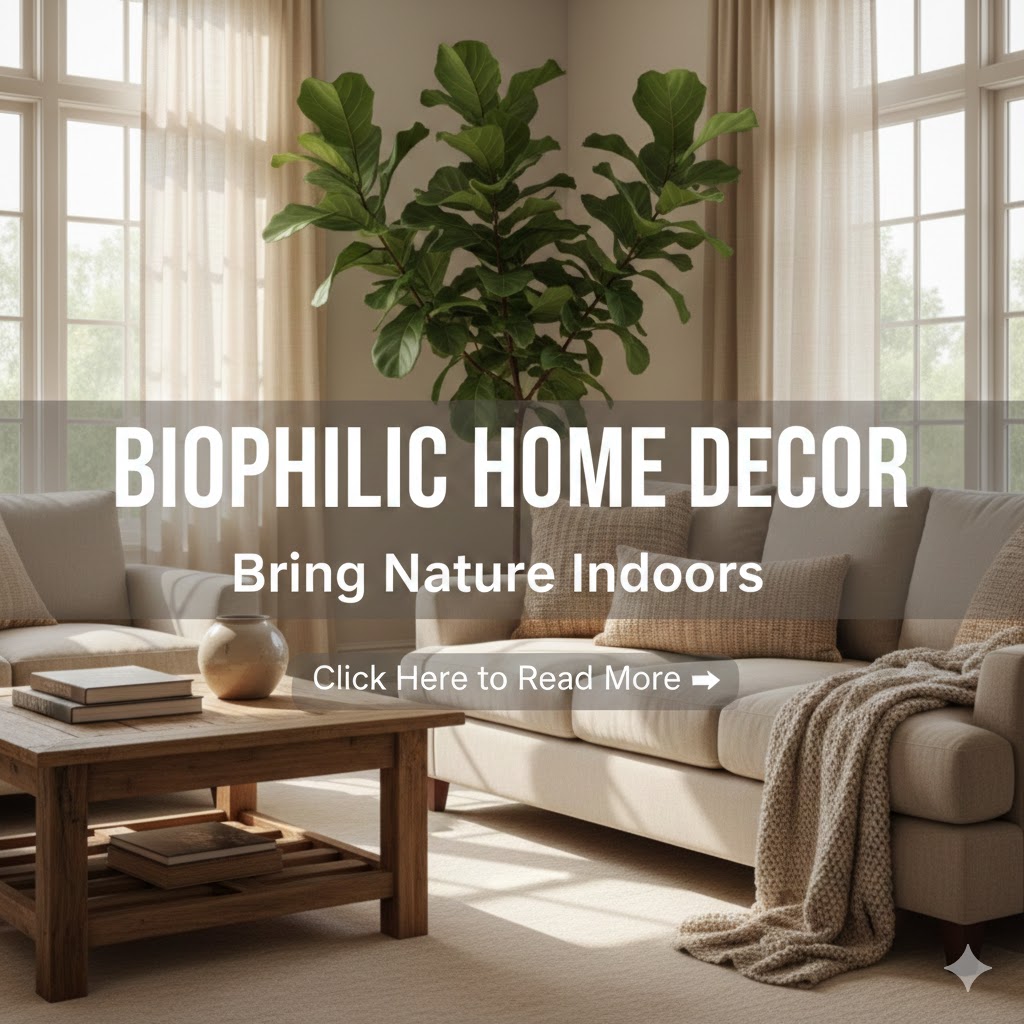
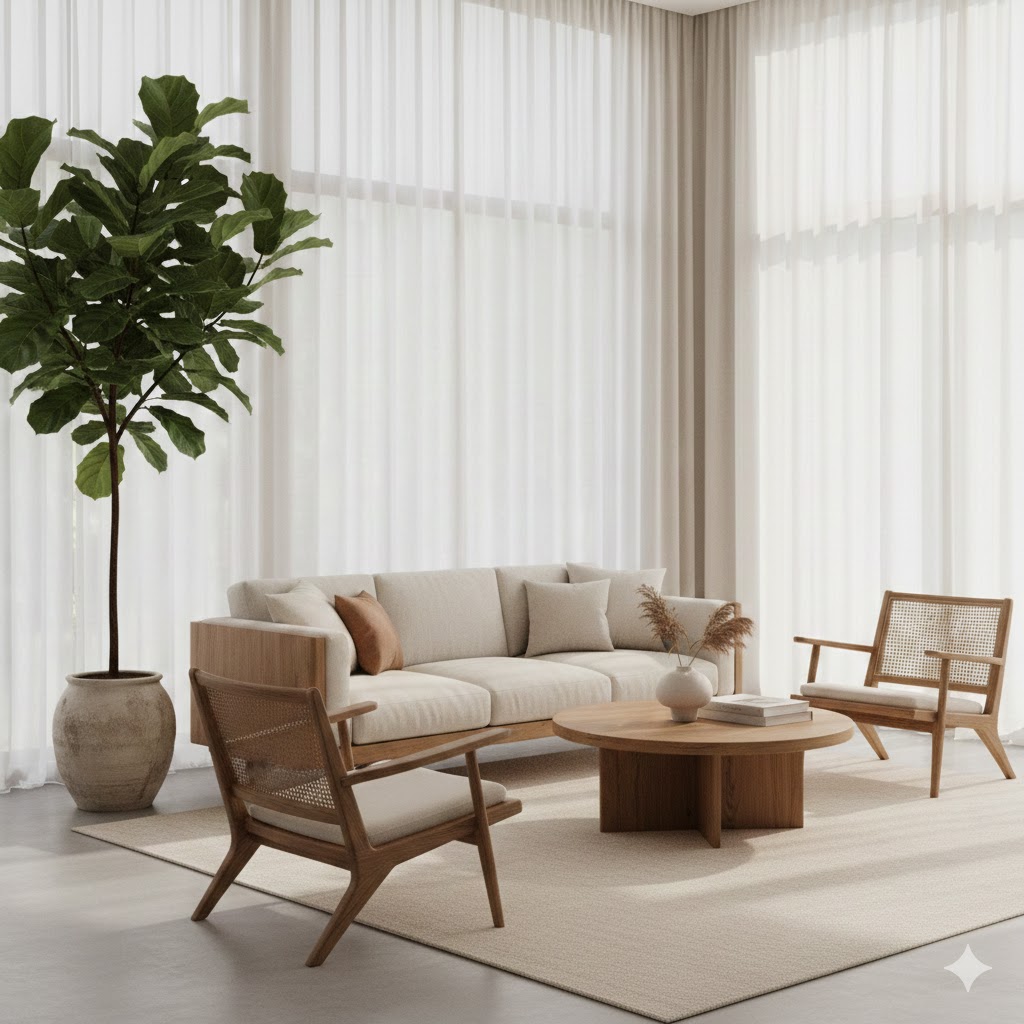
Simple example: A beige sofa, a wooden coffee table, a woven basket, a tall plant, and warm lighting. The room feels calm and natural right away.

2

The 5 Biophilic “Building Blocks” (Plants, Light, Materials, Colors, and Airy Space)

To create biophilic home decor, you need a simple foundation. Think of it like cooking. If you use the right ingredients, the food tastes good. If you use random ingredients, it tastes wrong. Biophilic decor has five main ingredients. When you use them together, the home feels natural and beautiful.

The first block is plants. Plants are the easiest way to bring life into a room. But you do not need many. One tall plant can change a room instantly. Plants also fill empty corners, which makes the room look finished. If you cannot keep real plants alive, you can use high-quality fake plants. The key is choosing plants that look natural, not plastic. If you use fake plants, keep them clean and dust-free so they still look real.

The second block is natural light. Light is powerful. A room with good light looks bigger and cleaner. Biophilic decor works best when you let light in. This means using lighter curtains, not blocking windows with heavy furniture, and using mirrors to reflect light. If your room does not get much sunlight, you can still create a soft natural feeling with warm lamps. Warm lamps create a gentle glow that feels like sunset light. That warm glow is very important for a natural mood.

The third block is natural materials. Natural materials include wood, stone, linen, cotton, ceramics, and woven textures like rattan. These materials feel warm and real. They also look expensive because they have natural texture and small imperfections. A wooden table, a ceramic vase, and a woven basket can add more biophilic feeling than ten plastic decorations. If you are on a budget, you can use wood-look items and stone-look items, but try to choose ones that do not look too glossy or fake. Matte finishes look more natural.

The fourth block is nature colors. Nature colors are calm. Think sand, cream, warm gray, brown, clay, olive, and soft green. These colors relax the eyes. Bright neon colors are not nature colors. You can still use color, but keep it muted and natural. A soft green pillow is better than a bright green neon pillow. A clay-colored throw is better than a loud red.

The fifth block is airy space. Airy space means you do not overcrowd the room. Nature feels open. When your room is packed, it does not feel natural. Biophilic decor needs breathing space. This means clear floors, clear surfaces, and fewer items overall. You want your plant or your wood furniture to stand out. If the room is cluttered, even the best plant will not fix it.

When these five blocks work together, your room feels fresh. It also feels calm. And it looks designed, not random. That is why biophilic decor is not about shopping more. It is about choosing better and keeping the space clean.

Simple example: In a small room, place one medium plant near the window, use linen curtains, add a woven basket for storage, and keep the floor clear. The room instantly feels natural.

3

Biophilic Decor for Small Rooms (How to Get the Look Without Crowding Your Space)

Biophilic Decor for Small Rooms (How to Get the Look Without Crowding Your Space)

Many people think biophilic decor is only for big houses with big windows and lots of plants. That is not true. Biophilic home decor can work even better in small rooms because it makes small spaces feel calmer and more breathable. The trick is doing it with fewer, smarter choices.

In small rooms, the biggest enemy is clutter. Clutter makes the room feel smaller. So the first step is to reduce floor and surface mess. Biophilic decor needs clean space so the natural pieces can shine. If your table is full of random items, your plant will feel like another object. But if the table is clear with one small ceramic vase, the room feels designed. So before you add anything, remove what is not needed. This is the secret people skip.

Next, use vertical space. Vertical means going up, not out. In small rooms, you do not want many items on the floor. So use wall shelves, hanging planters, and tall plants. A tall plant takes one floor spot but adds height and life. Height makes the room feel bigger. A hanging plant can add green without taking floor space. But keep it simple. One hanging plant is better than five.

Choose plants that match your lifestyle and your light. If your room is dark, choose low-light plants or use a plant light. If you travel often or forget watering, choose plants that are more forgiving. If you do not want plant stress, choose one or two plants only and focus on other biophilic blocks like wood, texture, and lighting.

Use mirrors to multiply light. A mirror can reflect daylight and make a small room feel twice as bright. Bright rooms look bigger. Bigger-looking rooms feel more comfortable. Place a mirror near a window or on the wall opposite the window. Keep the mirror frame simple, maybe wood or black. This supports the natural look.

Now add natural texture in small ways. A woven basket can hide clutter and add natural warmth. A small jute rug or textured rug can make the room feel grounded. Linen curtains soften the space. A wood tray on a table groups items and reduces visual noise. These are small changes, but together they create the natural vibe.

Also, control your color palette. Small rooms look best with calm colors. So keep walls light and warm. Use natural tones. Then add green as the accent. The green should feel like life inside a calm space, not like the whole space is green. This is why biophilic decor often looks like “neutral room with natural green.” That balance is the sweet spot.

Finally, do not add fake “nature clutter.” Sometimes people buy many small leaf prints, tiny plant pots, many fake vines, and lots of green decorations. This can look messy fast. Biophilic decor is not leaf wallpaper everywhere. It is the feeling of nature. One real plant can feel more natural than ten leaf prints. The fewer items you use, the more premium the room feels.

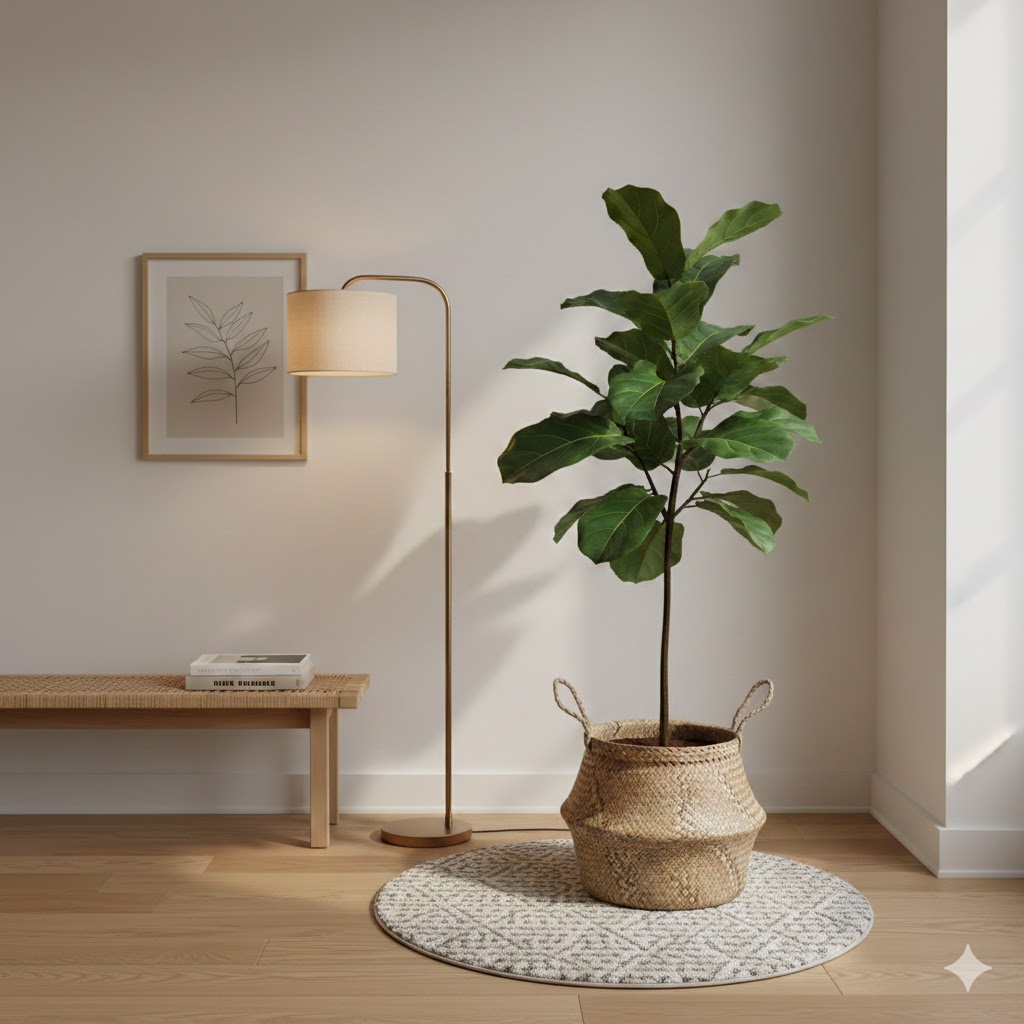
Simple example: Studio apartment corner. Add one tall plant in a basket pot, one small textured rug, and one warm lamp. Keep the floor clear. That is biophilic decor without crowding.

4

Biophilic Styling That Looks “Pinterest Perfect” (But Still Easy to Maintain)

Biophilic decor looks best when it is simple, clean, and styled with intention. Many people fail because they add plants but keep everything else messy. Plants alone do not create the biophilic look. The styling must support the plants. This is how you get the Pinterest-perfect look without making your home hard to live in.

Start with one main “green focus.” This is the plant or natural element that becomes the star. It can be a tall plant in a corner, a plant on a stand, or a small group of two plants with different heights. Do not spread your plants randomly. Grouping is better. Grouping makes it look planned. It also looks cleaner. When plants are grouped, they create a mini nature zone. That zone becomes a feature, not clutter.

Now balance green with neutrals. Biophilic rooms often have calm neutral backgrounds. When the background is calm, the green stands out in a beautiful way. Use beige, cream, warm gray, and wood. Then let the plant add color. This keeps the room calm and modern.

Next, use “natural layering.” Layering means combining different textures so the room looks rich. In biophilic decor, you layer natural materials. For example, a linen curtain, a wool-like rug, a wooden table, a ceramic vase, and a woven basket. These textures create depth. Depth makes the room look expensive. Even if the items were affordable, texture makes them look richer.

Lighting is also key. Plants look better with soft natural light. If you only have ceiling light, the room can feel harsh. Add a warm lamp. Warm light makes the room feel cozy and natural. It also makes the leaves look softer. If your plants do not get enough light, you can use a simple plant light, but hide it in a clean way so it does not look messy.

Then, keep surfaces simple. Biophilic decor works best with clear surfaces. A coffee table can have one tray, one candle, and one small plant or vase. That is enough. A console can have a lamp and one ceramic piece. That is enough. The goal is not to fill the space. The goal is to create calm, natural moments.

To maintain the look, use practical rules. Use one basket for plant tools if you have them. Clean leaves sometimes. Remove dead leaves quickly. Keep plant pots clean. If you do this, the room always looks fresh. A dusty plant looks sad and ruins the vibe. A clean plant looks like luxury.

Also, mix real nature with “nature-inspired” decor. If you cannot have many plants, add nature-inspired items like wood grain, stone texture, or botanical art in a simple frame. But keep it minimal. One or two nature prints is enough. Too many becomes theme decor, and theme decor often looks childish.

Finally, choose one scent if you like. A simple candle or diffuser with a fresh smell can support the nature vibe. This is optional, but it helps the room feel like a spa. A spa feeling is part of why biophilic decor is popular.

Simple example: Place one tall plant near the sofa, add a woven basket for blankets, use linen curtains, and turn on a warm lamp at night. Clean and cozy

5

FAQs (Short Answers)

FAQ 1: What does biophilic home decor mean?
Decor that brings nature into your home using plants, light, natural materials, and calm colors.

FAQ 2: Do I need many plants?
No. One or two well-placed plants can be enough.

FAQ 3: What if I can’t keep plants alive?
Use high-quality artificial plants and focus on wood, texture, and lighting.

FAQ 4: What colors fit biophilic decor?
Cream, beige, warm gray, brown, clay, olive, and soft green.

FAQ 5: What is the biggest mistake?
Too much clutter and too many small plant items everywhere.

FAQ 6: How do I do biophilic decor in a small room?
Use one tall plant, light curtains, mirrors for light, and keep floors clear.

FAQ 7: What materials make it feel natural?
Wood, linen, cotton, ceramic, stone textures, and woven baskets.

FAQ 8: How do I make it look expensive?
Use fewer items, bigger pieces, clean surfaces, and warm layered lighting.